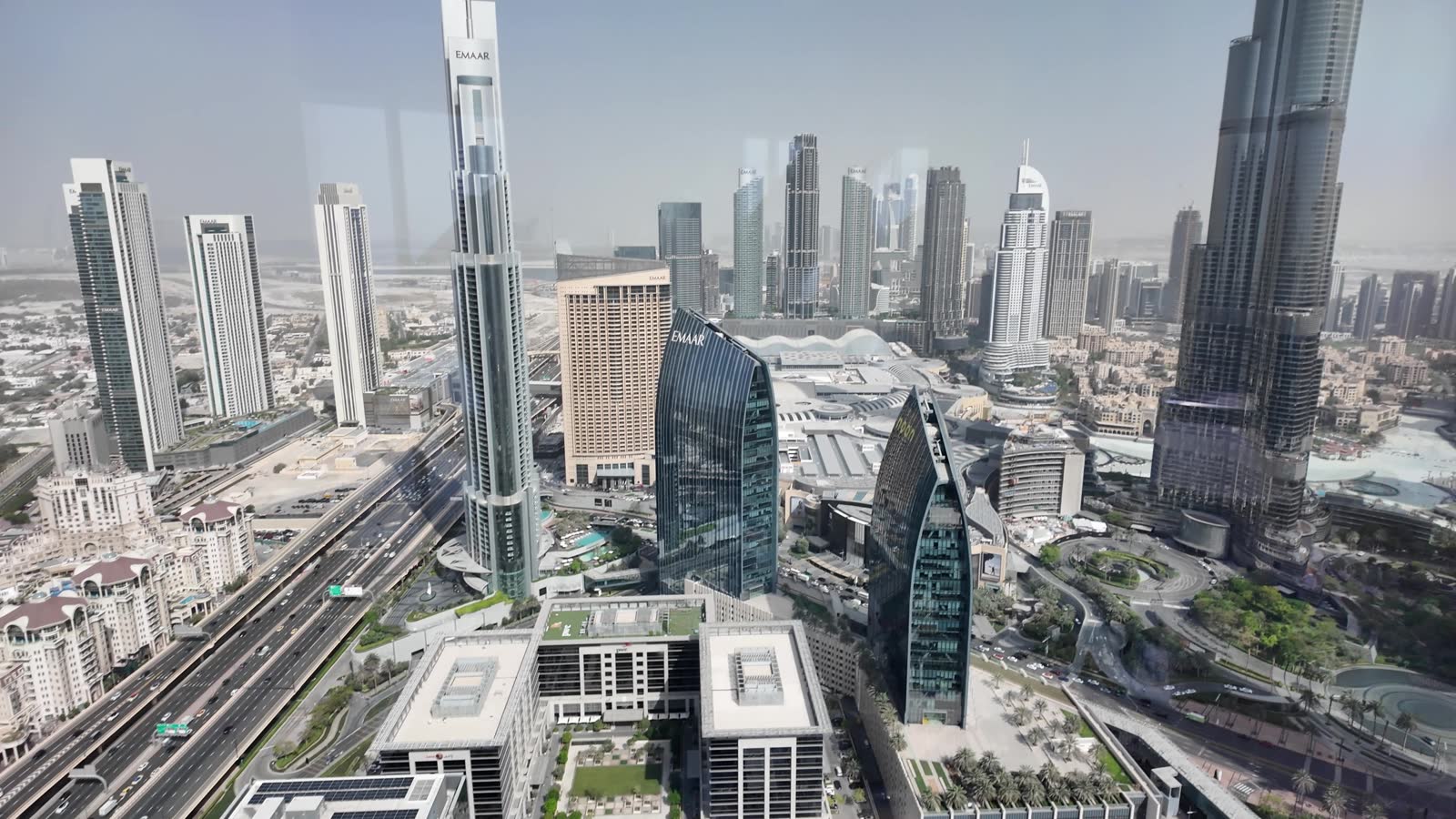
Dubai is a mirage that actually works. You see it appear from the plane, shimmering in the middle of the desert, and when you land it’s really there: the tallest building on Earth, palm-shaped islands, twelve-lane highways.
On the map of my travels, Dubai is the furthest point: 14,671 kilometres from Ushuaia. It’s a confusing city, because it sells you everything as a premium experience. Most guides build the trip around observation decks, malls and theme parks that cost a lot. There’s another way to do it.
My rule for Dubai is simple: look at everything, pay for little. Glass Dubai is best enjoyed from the street, from the public beach and from the elevated metro, which glides above the highway like a slow roller coaster. And old Dubai, the Creek, Deira and the souks, happens to be the cheapest part and the least like a staged postcard.
The glass-Dubai photos in this notebook are mine, from May 2025; the old-Dubai ones come from Wikimedia Commons. From Turin, where I’m based, the practical option is Milan Malpensa: there’s a direct flight to Dubai of about six hours. But before you look at fares, read the alert further down: a lot changed this year.
From the wheel to the souk, on one map
One line across the whole city: on foot along the beach, by metro down Sheikh Zayed Road, on foot again through Al Fahidi and by abra over to Deira. Tap any point to see what’s there, or press Follow the route.
Each bar is the height of what’s in front of you: the glass climbs to the Burj Khalifa’s 828 metres and, once you cross the Creek, the city drops to street level. The strip below shows how you’re moving.
Five things worth the trip (and almost all free)
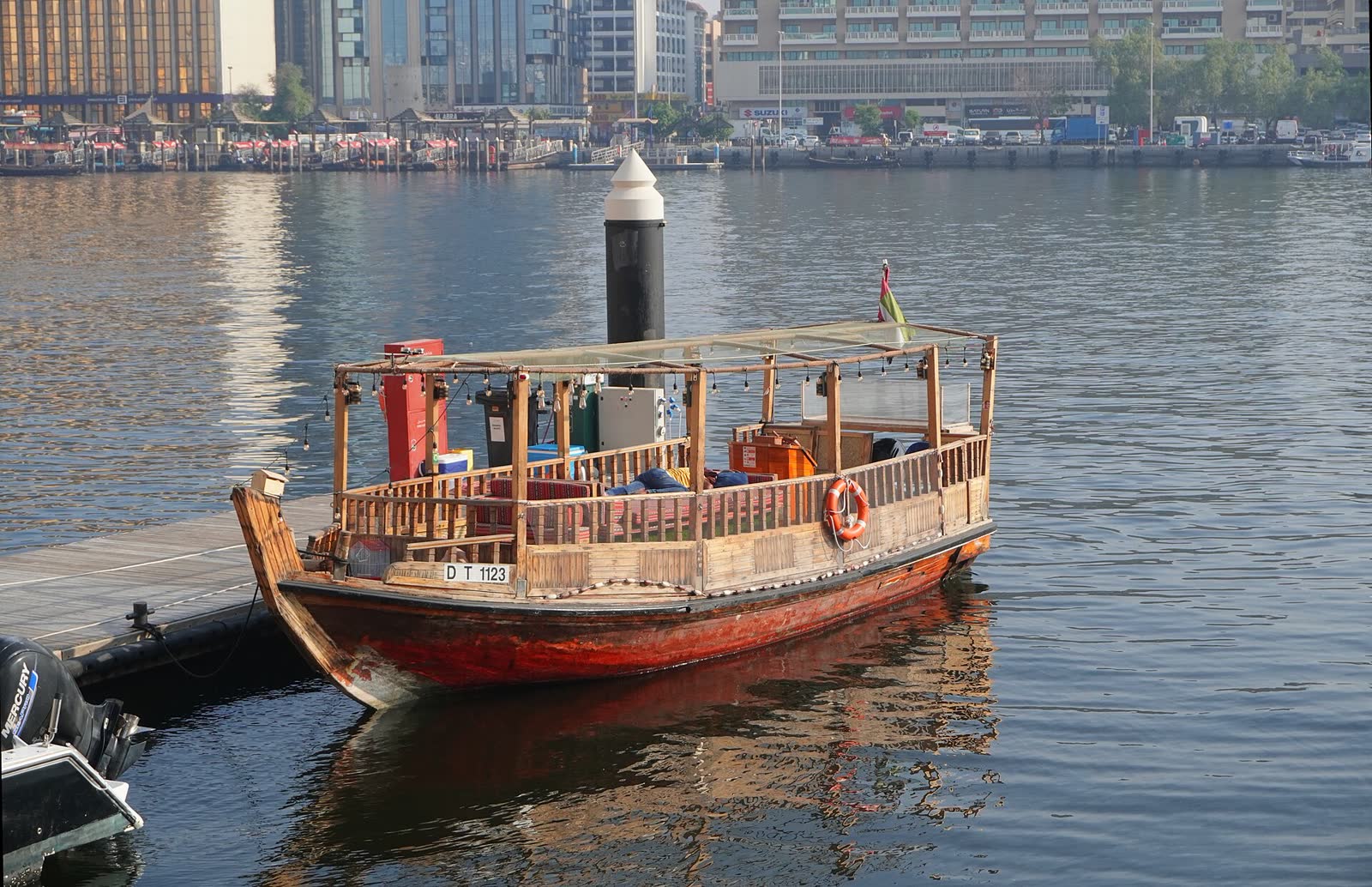
1. Crossing the Creek by abra. Abras are small wooden motorboats that have linked Bur Dubai and Deira for generations. You sit on the bench in the middle, the boatman takes one dirham and a few minutes later you’re on the other side, with the old city at eye level. The best dirham you’ll spend.
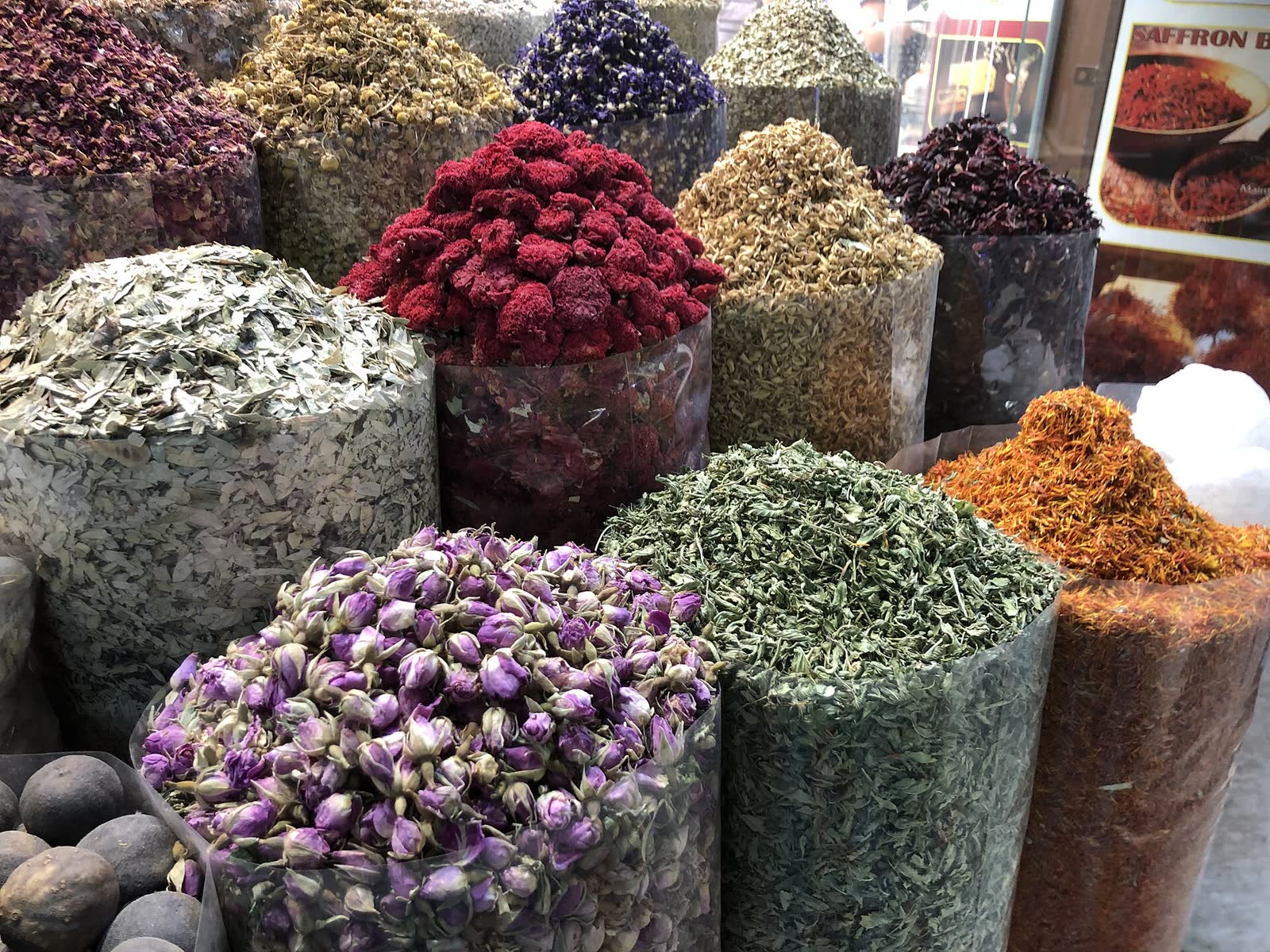
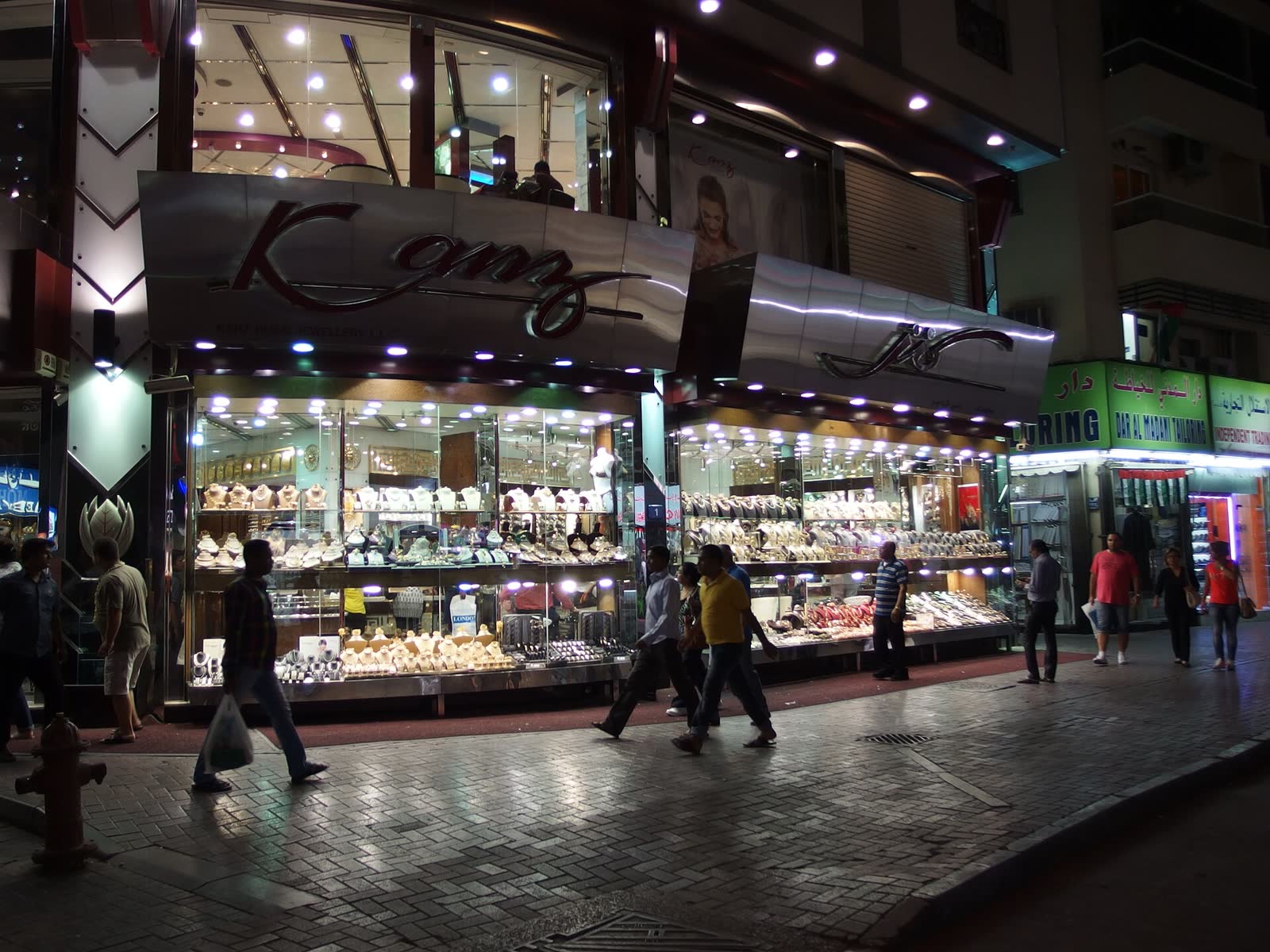
2. Getting lost in Deira’s souks. The Spice Souk sits right by the abra pier; the Gold Souk is a few blocks away. Looking costs nothing, and it’s the one place in the city where people still haggle for real.
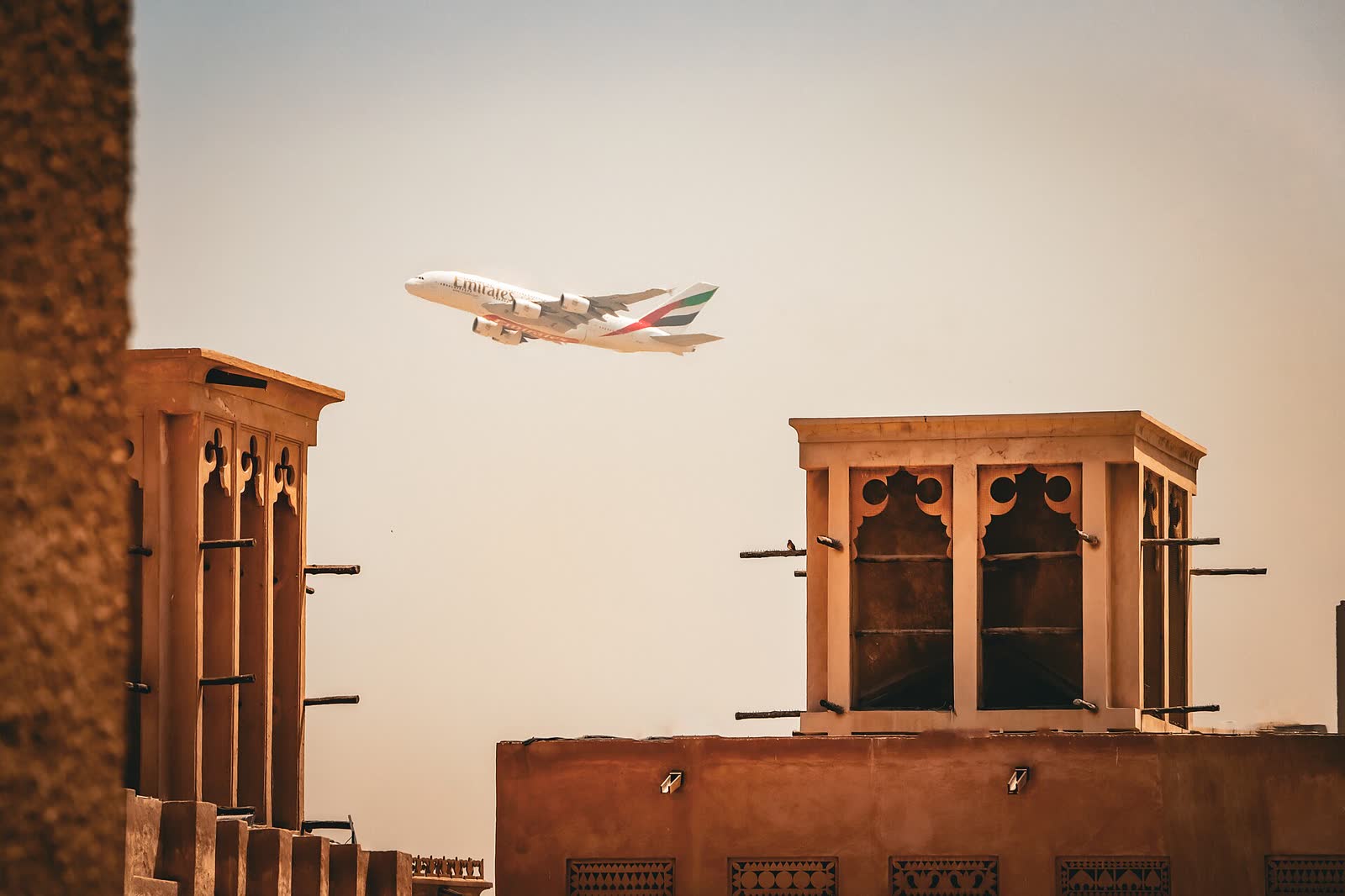
3. Al Fahidi and its wind towers. Bur Dubai’s historic quarter: narrow lanes, courtyards and barjeel, towers that caught the breeze to cool the houses before air conditioning. An hour on foot, free.
4. The Dubai Mall fountain at night. At the foot of the Burj Khalifa, the water-and-music show repeats every 30 minutes in the evening. Free from the lakeside promenade. It’s stage set, yes, but the kind nobody charges you for.
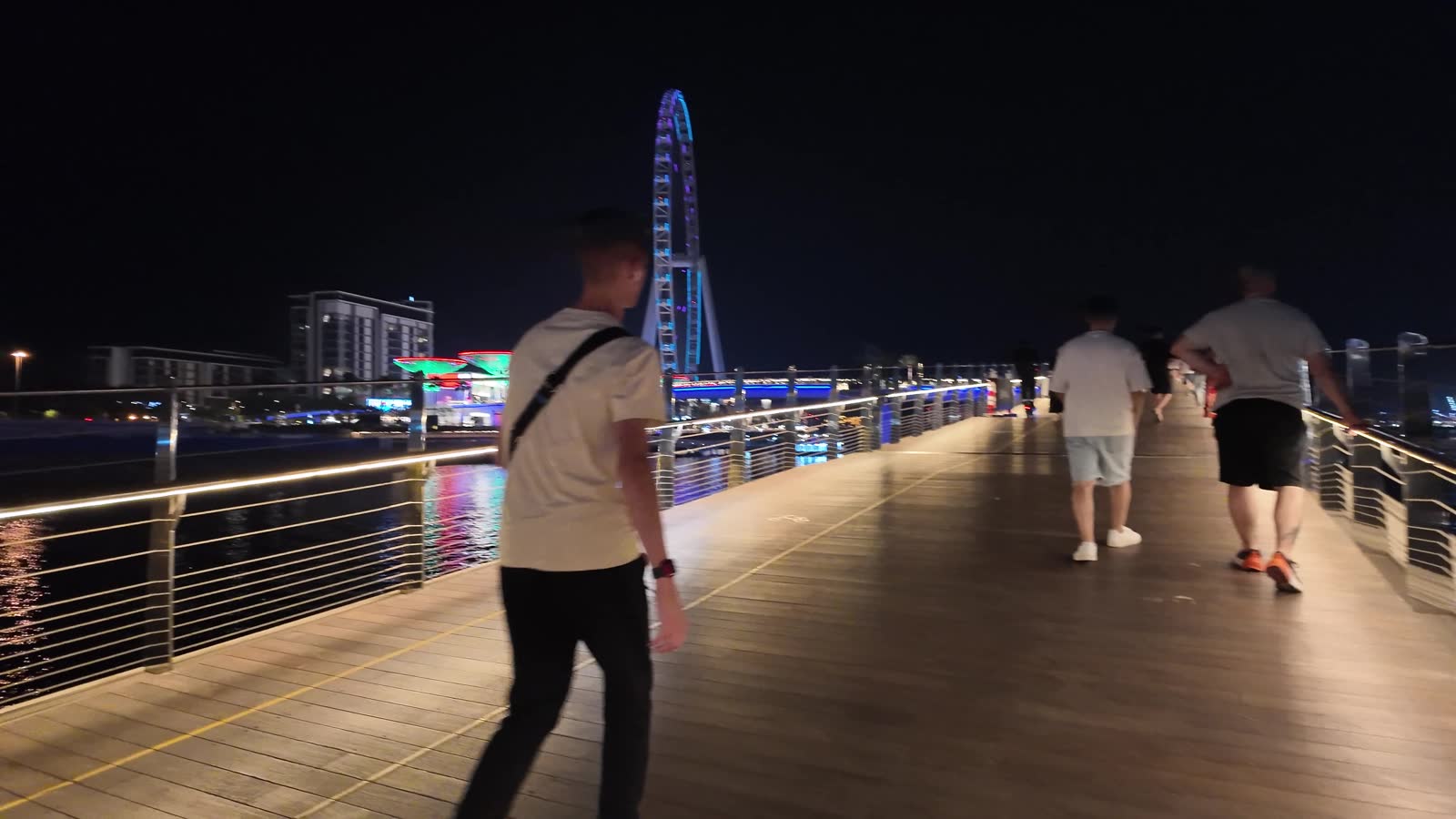
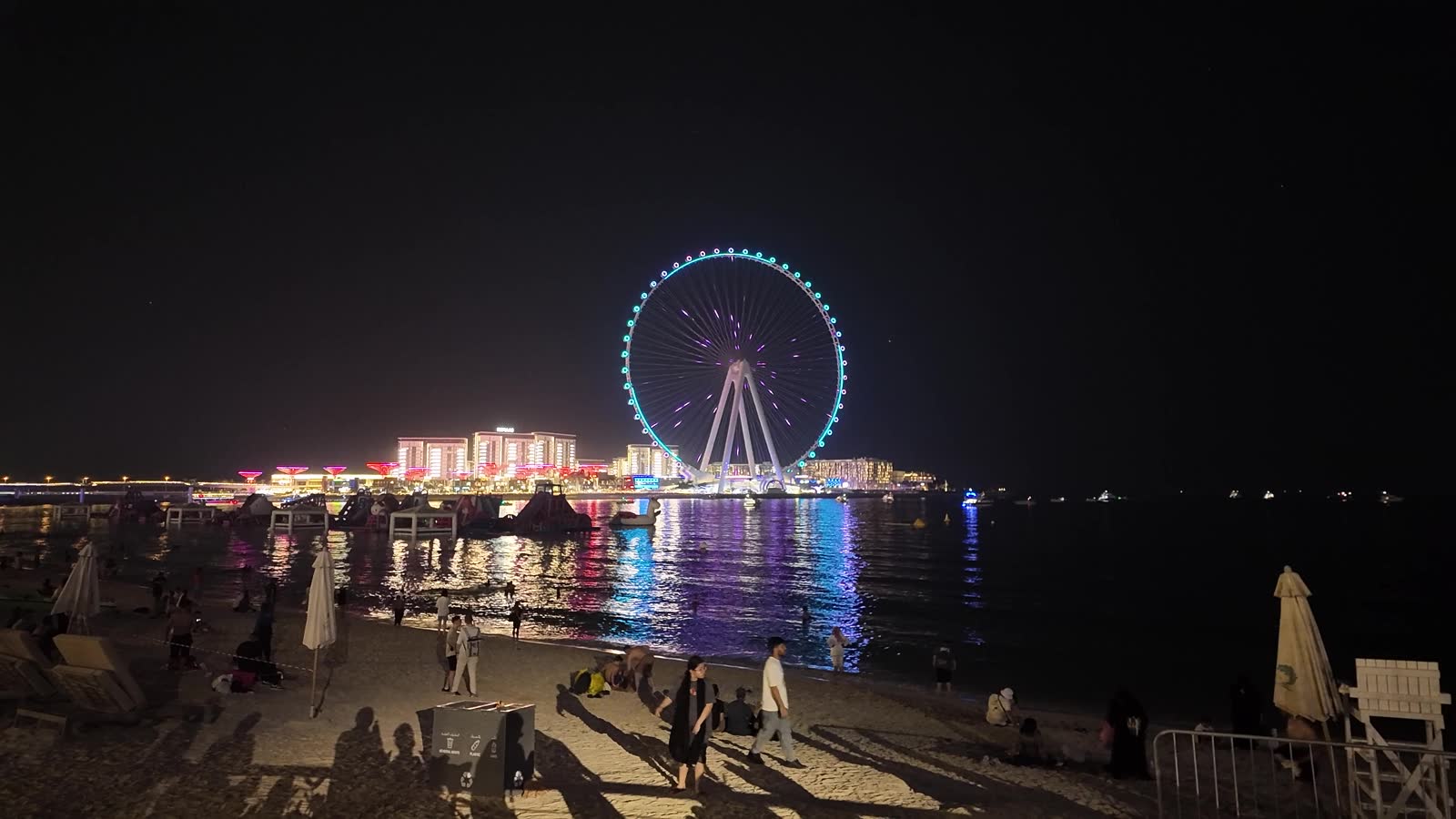
5. Sunset on JBR’s public beach. Sand, warm sea, the towers behind you and the Ain Dubai wheel lighting up in front. No booking, no ticket, no beach club.
What’s pure stage set
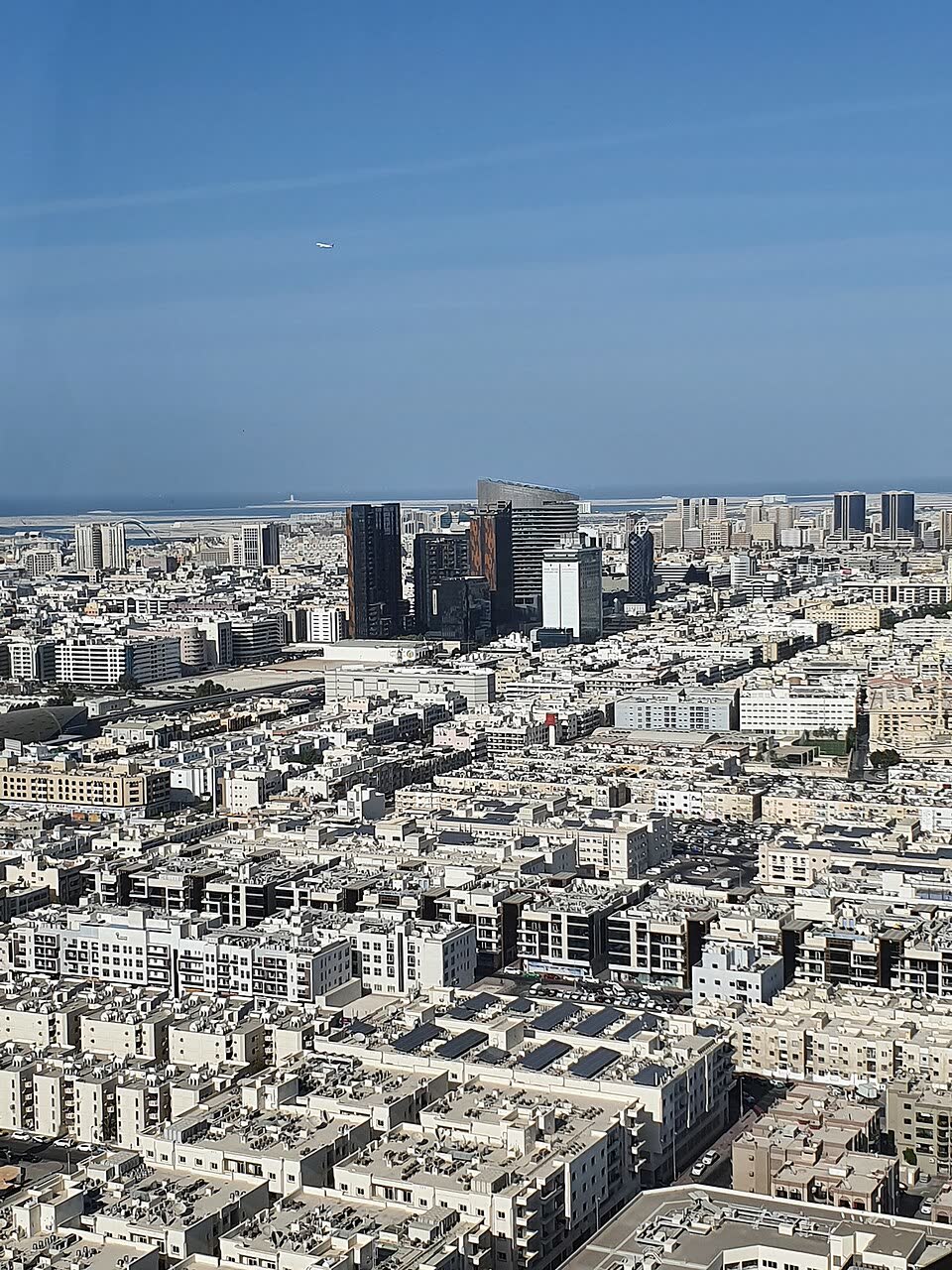
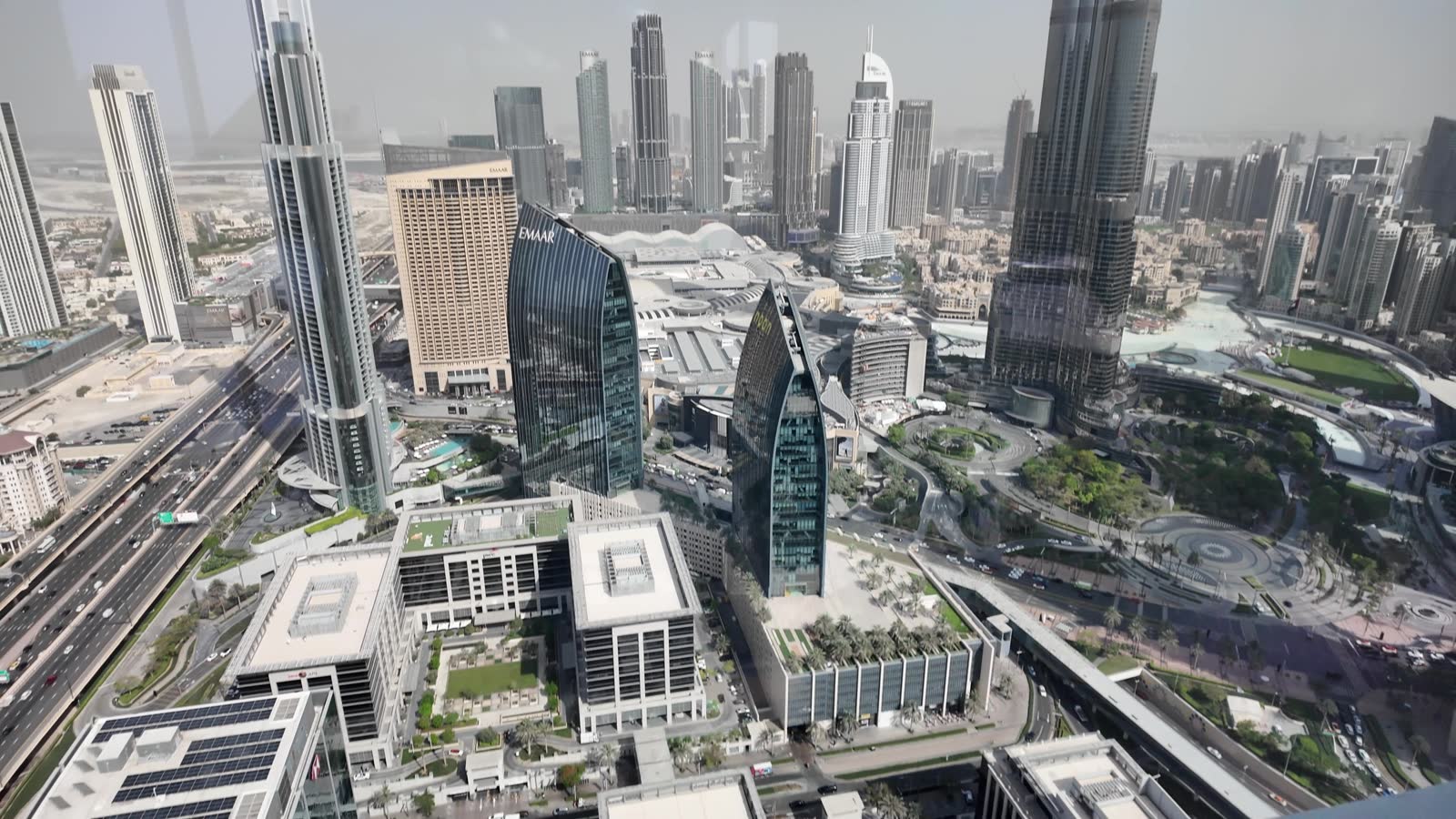
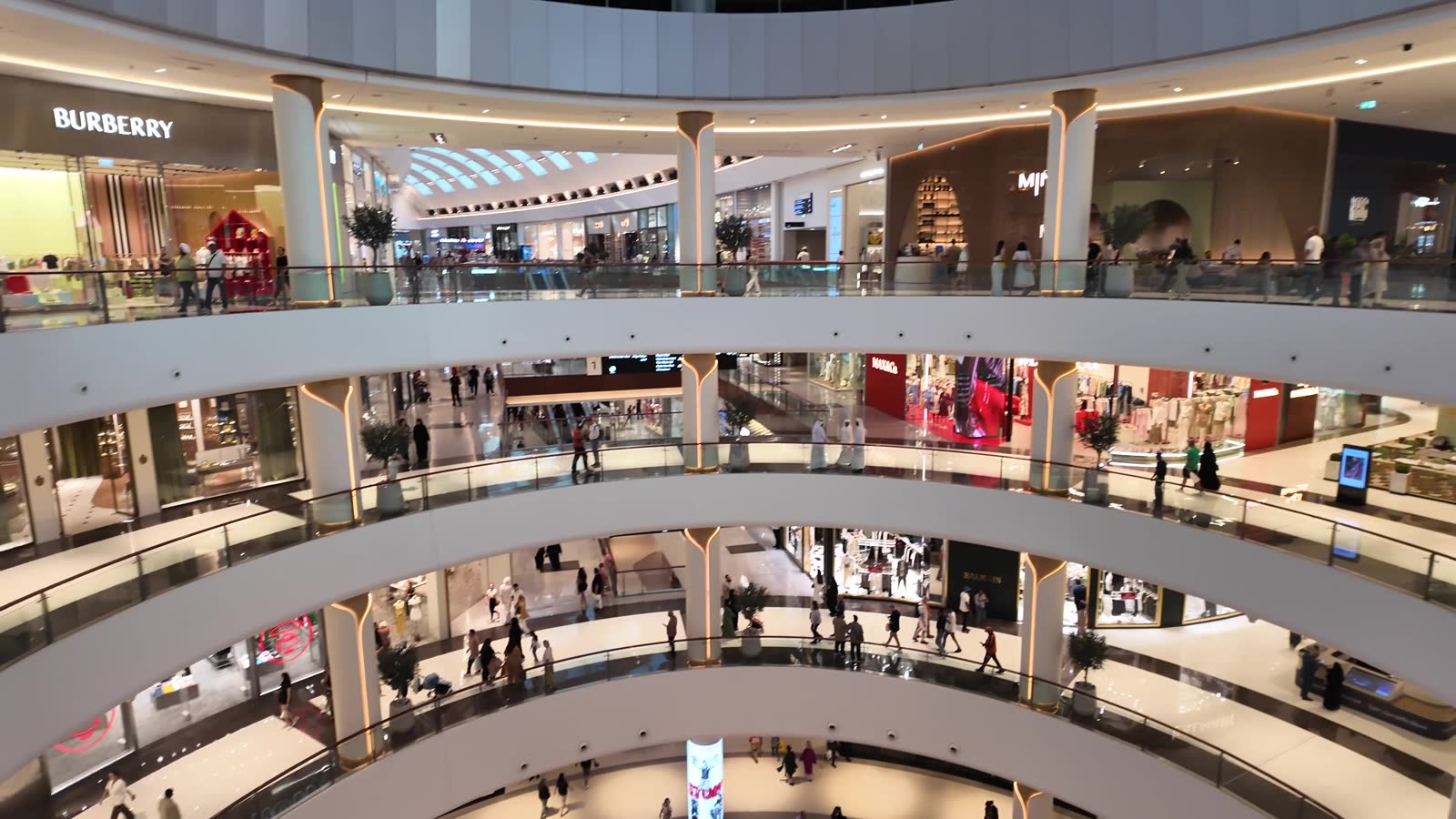
I’m not saying skip it: the Burj Khalifa up close flattens you, and Downtown from above looks like a giant scale model. But almost everything sold as an “experience” in Dubai is stage set with a price tag: decks priced by the hour, malls with indoor ski slopes, artificial islands that honestly look better on satellite view than from the shore.
The trap is adding it all up: a deck here, a museum there, a theme park, and the cheap trip turns expensive before you notice. My rule is to pick one paid viewpoint and make everything else street, beach and metro.
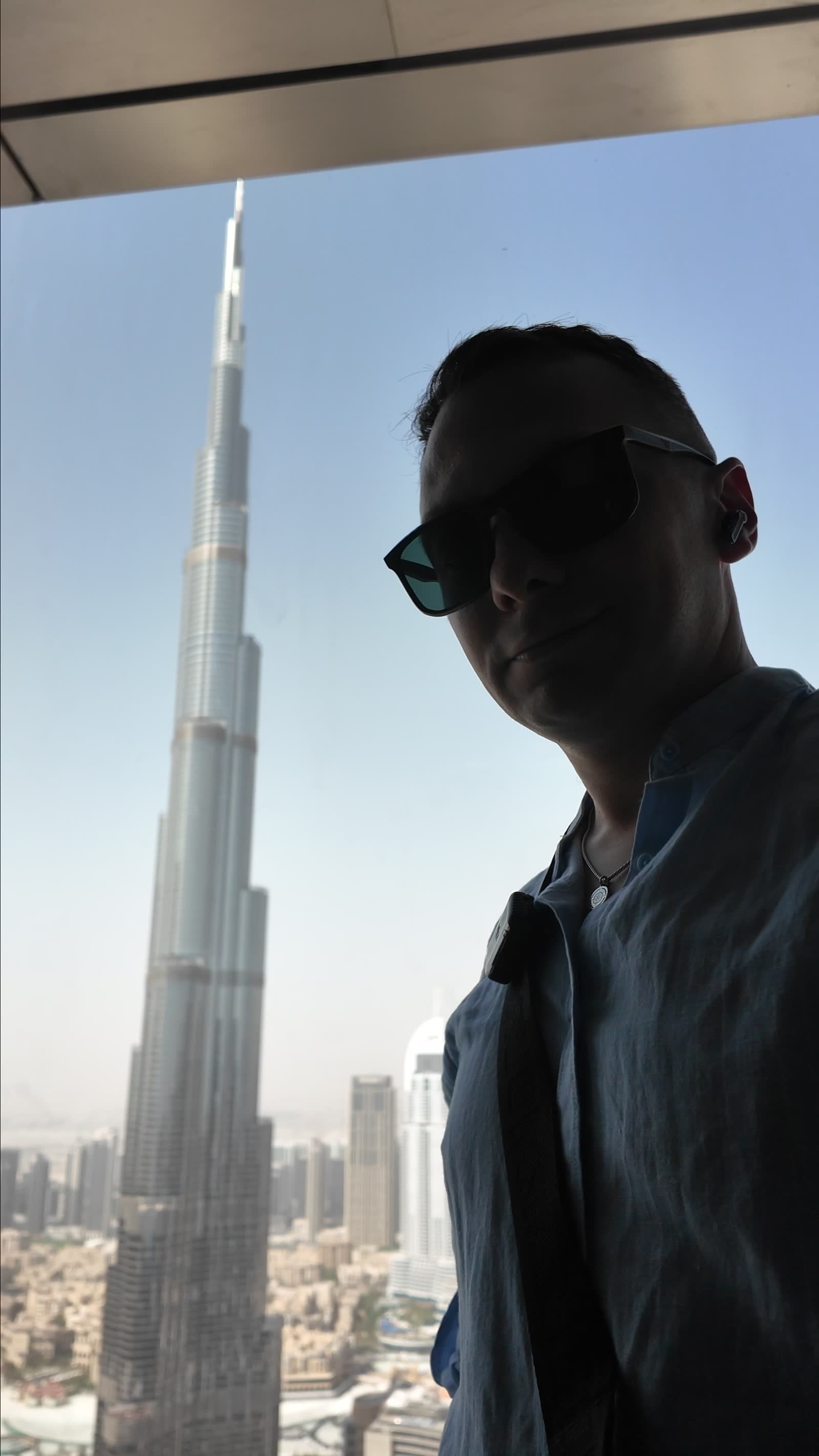
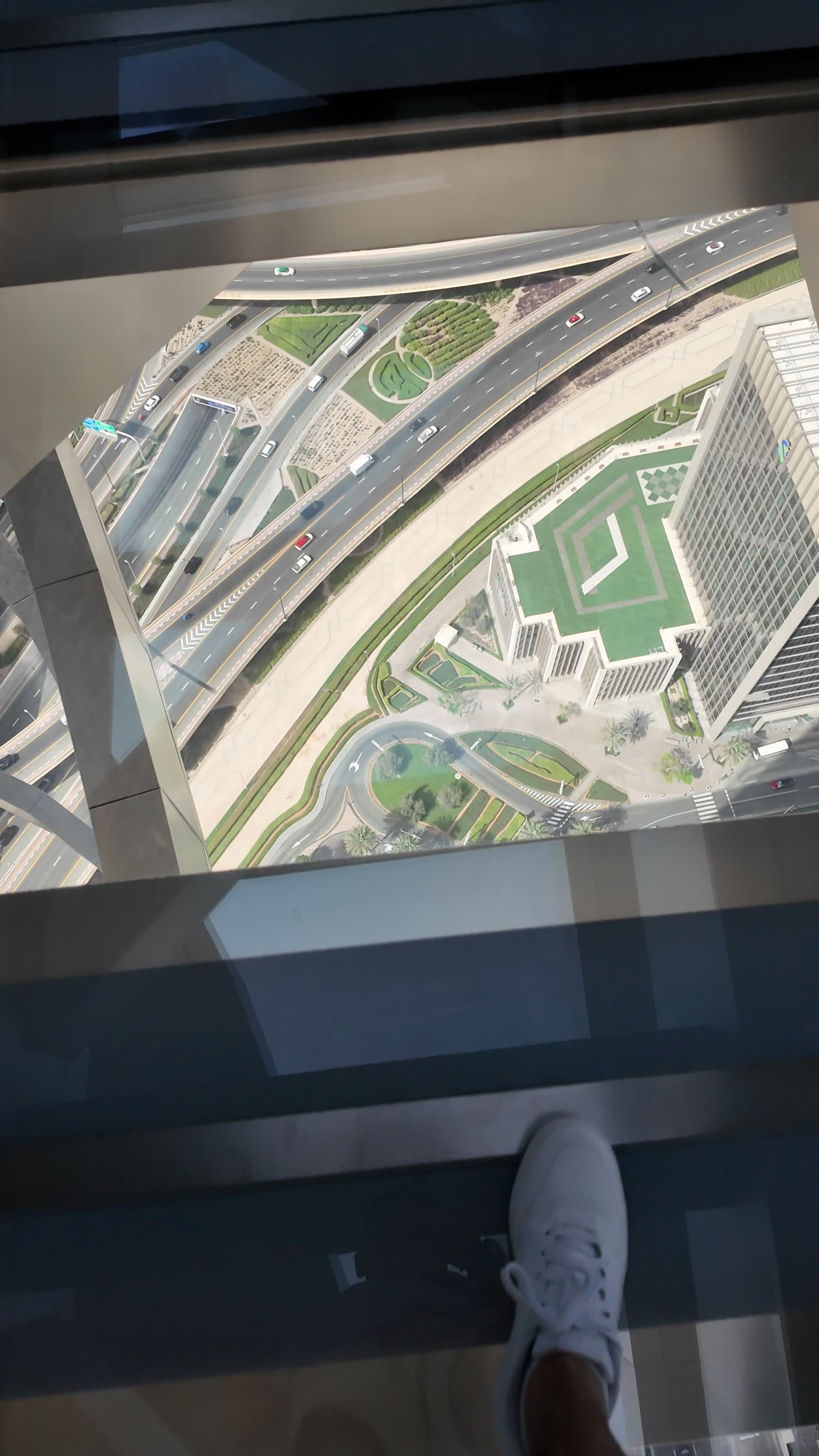
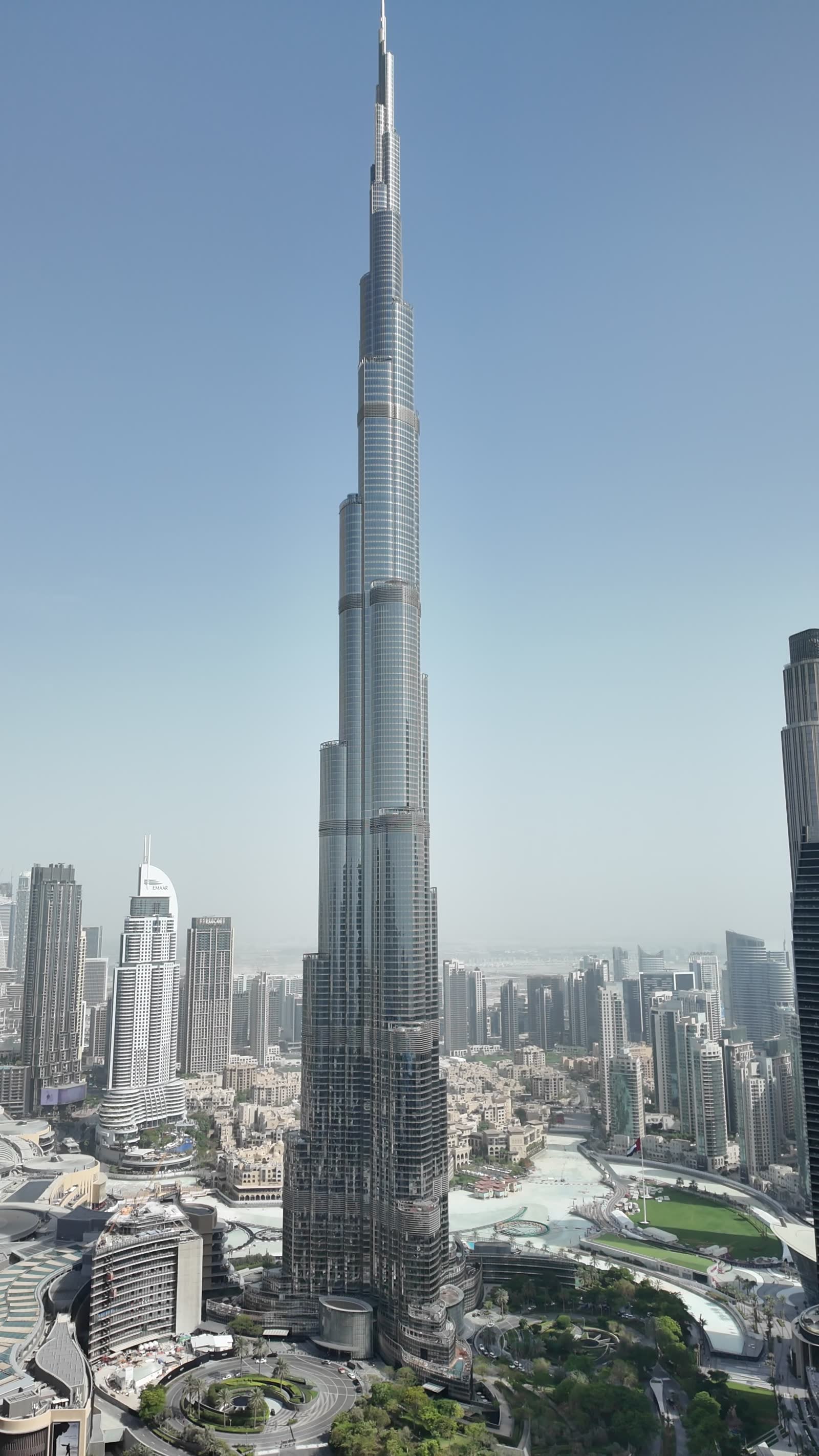
- Burj Khalifa: looking is free; going up, from about AED 150
- Dubai Frame: the best-value paid viewpoint, about AED 50
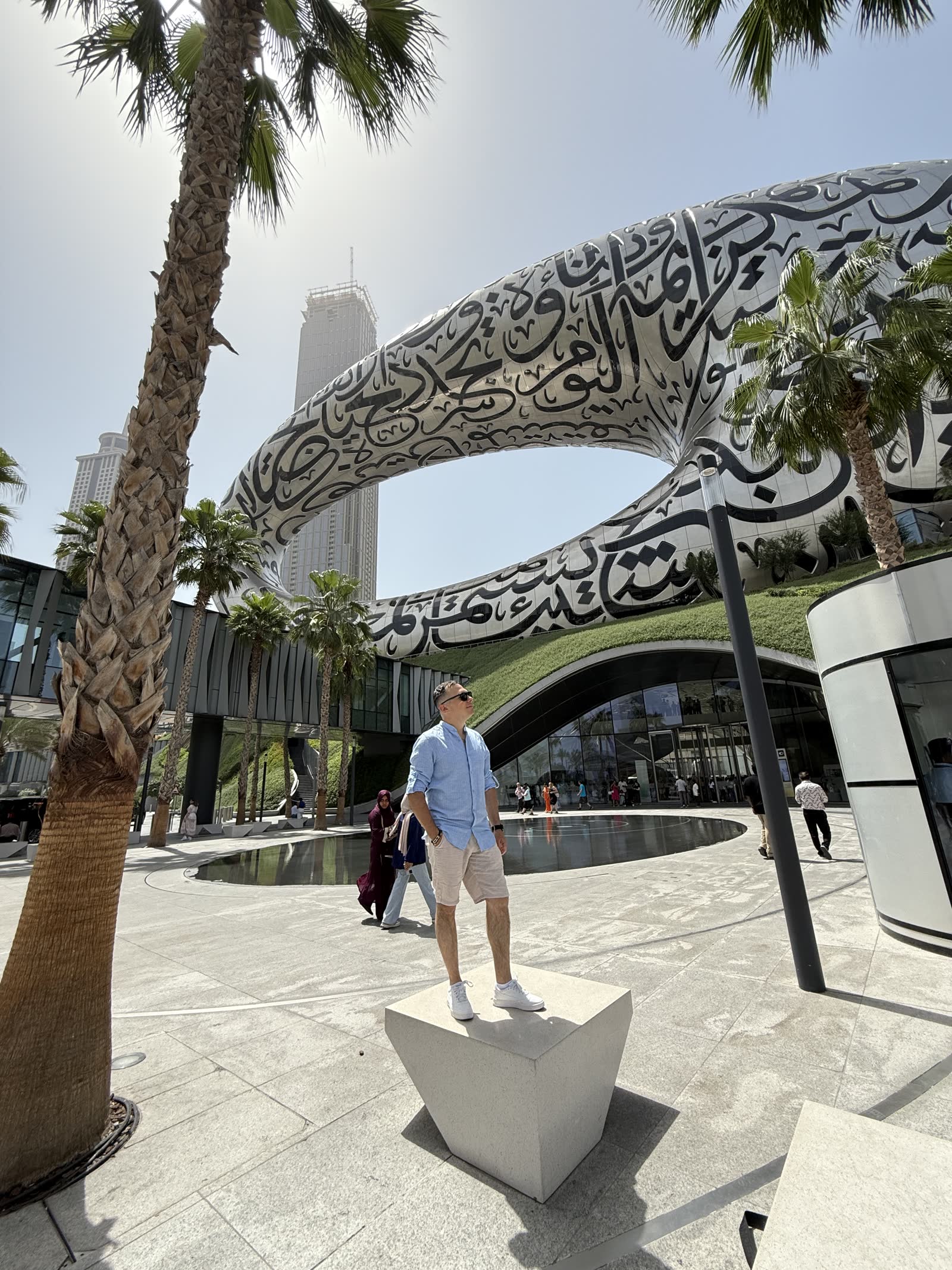
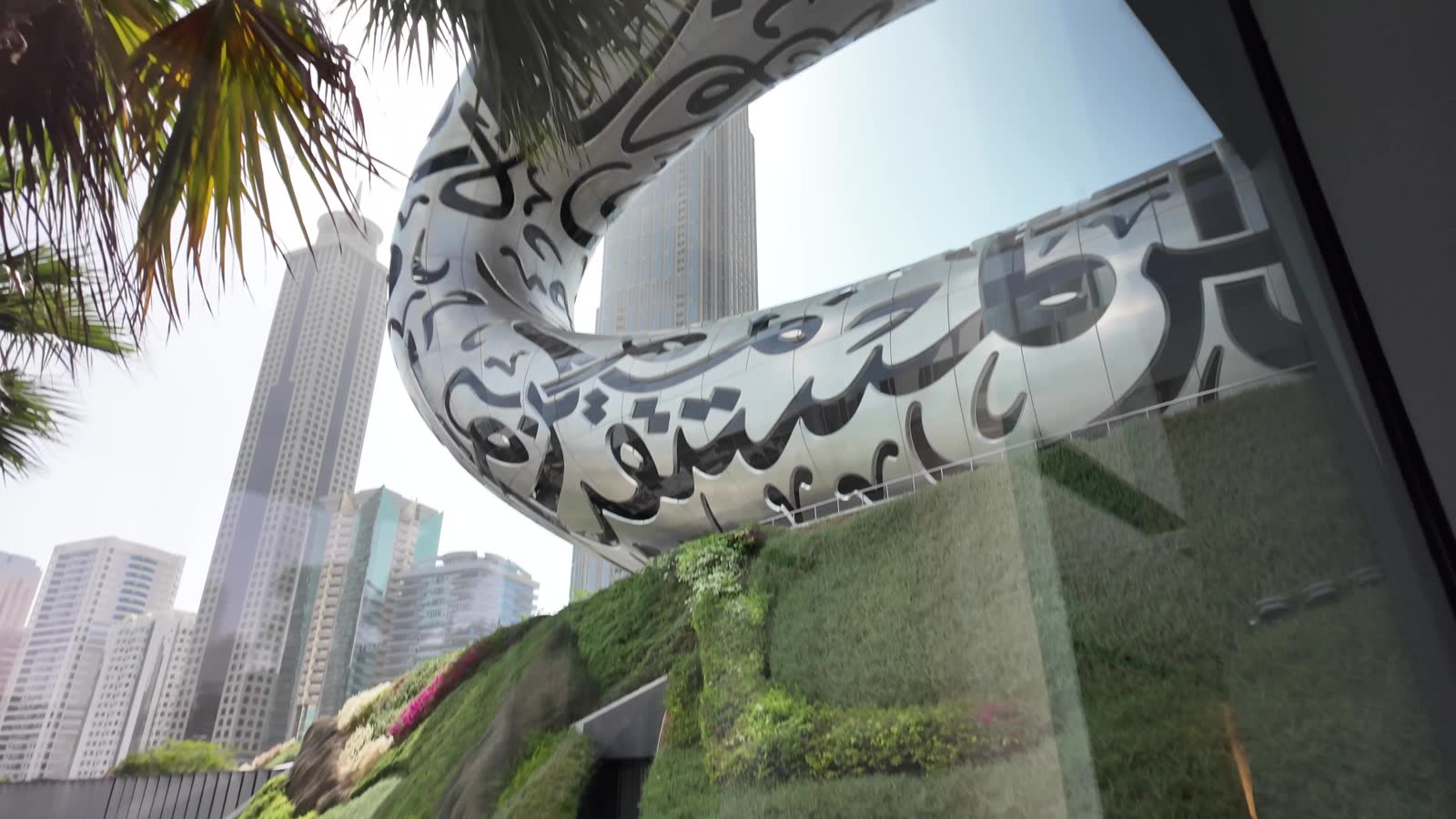
- Museum of the Future: closed until 2027; the outside photo is free
- Ain Dubai: opens and closes depending on the moment, check first
The places worth getting off for
Three in glass Dubai and three in old Dubai. All a few minutes from a metro station or an abra pier.
To get around you need one card and some coins
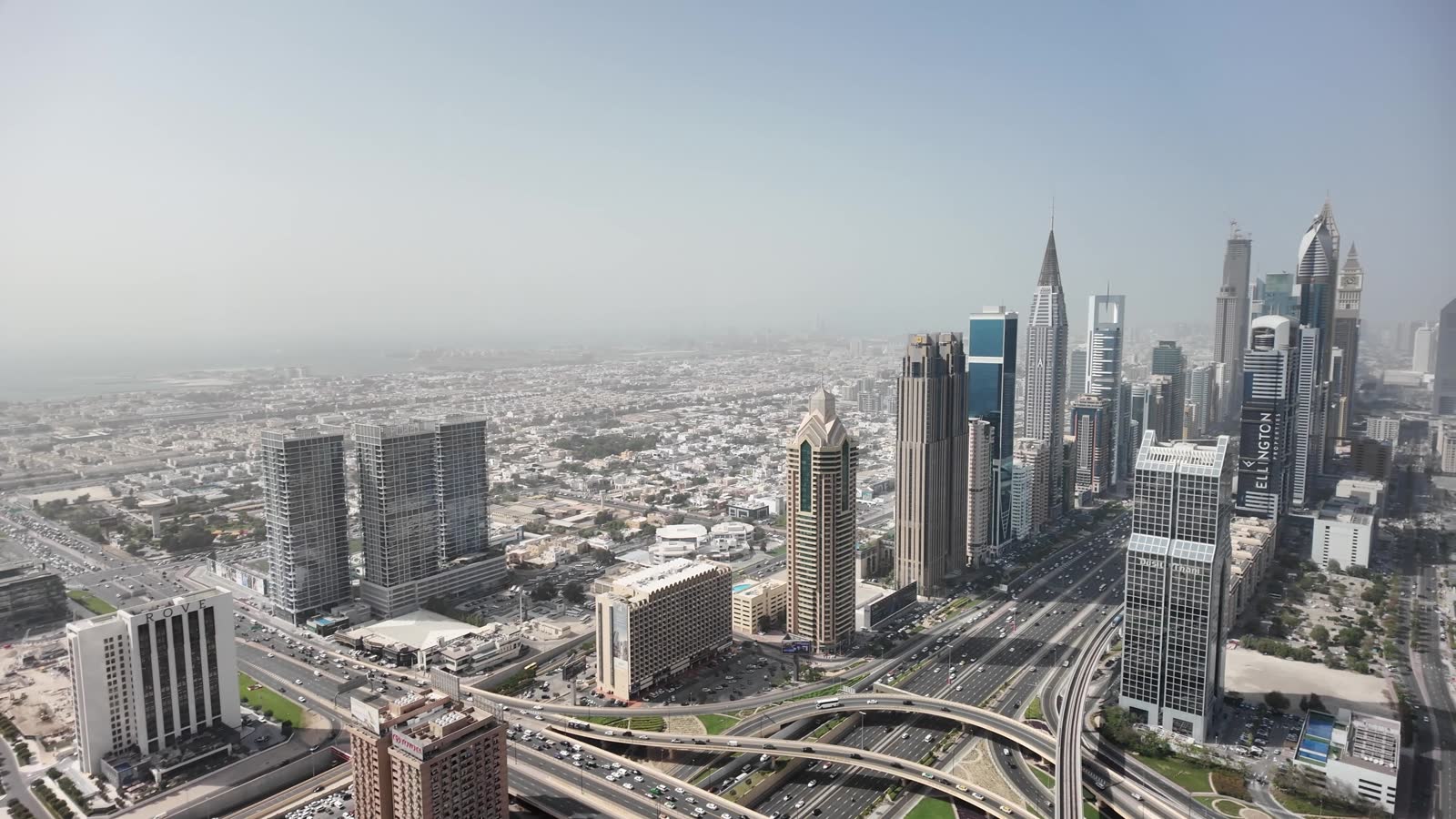
Dubai is built for cars, and taxis look like the only option. They aren’t: the metro covers almost everything you’ll want to see and the Creek is crossed by boat. Two things in your pocket and you’re sorted.
The Nol card (Silver)
Buy it from the machines or ticket offices at any station. The Silver card costs AED 25 and includes AED 19 of credit. It works on the metro, tram and buses; you tap in and tap out, and the fare depends on how many zones you cross. If you’ll barely ride, there’s the paper Red Ticket, but the Silver card ends up cheaper.
Cash for the abra
The traditional abra between Bur Dubai and Deira costs 1 dirham in cash, paid to the boatman. No booking and no fixed timetable: it leaves when it’s full, and it fills fast. Air-conditioned abras cost a little more.
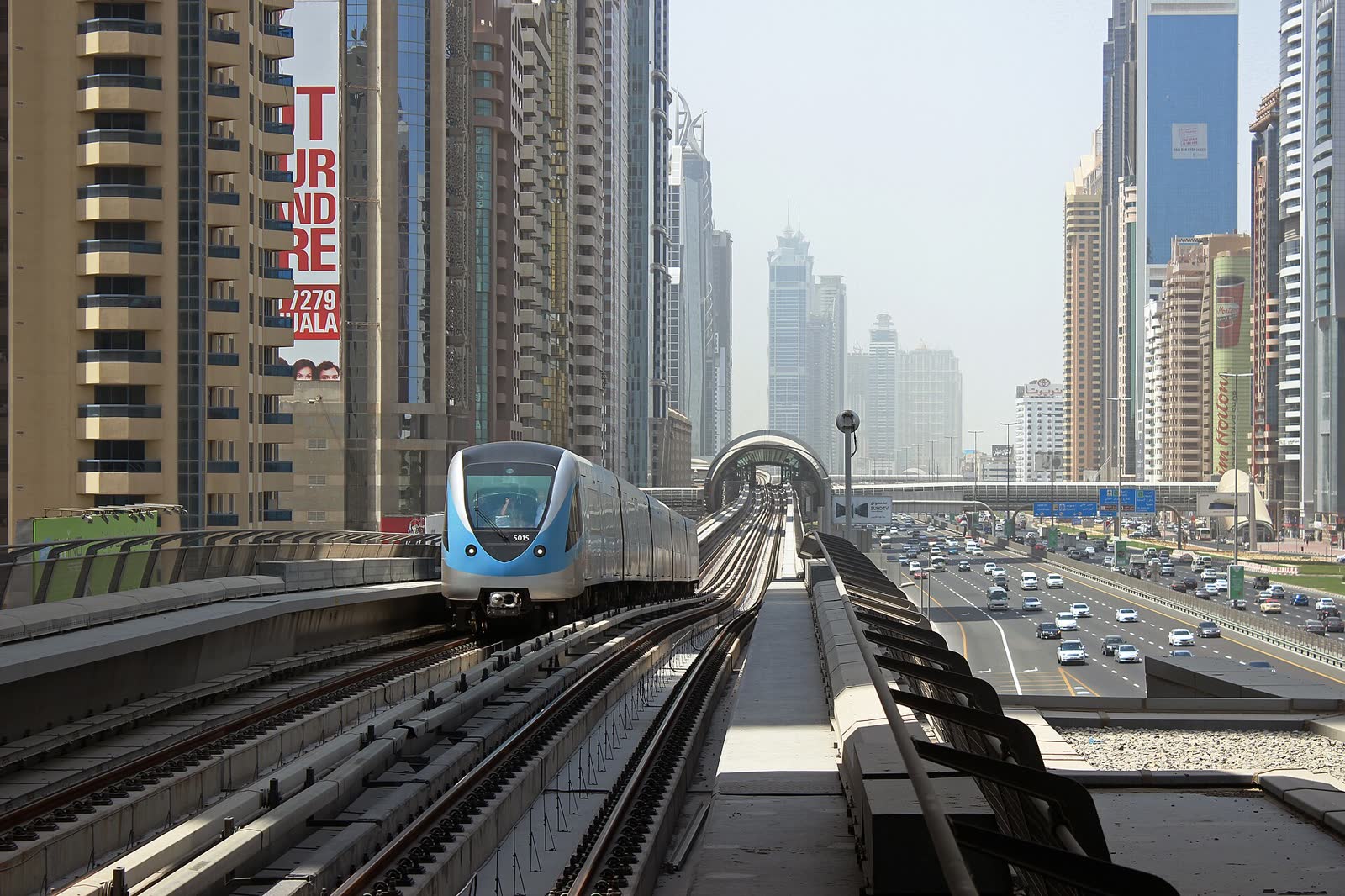
No eating or drinking, not even water, on trains or in stations. There are carriages reserved for women and children: if you’re a man, check the signs on the platform. And the Gold Class carriage charges double: you can’t ride it on a Silver card.
2026 prices (in dirhams)
| What | Price | Notes |
|---|---|---|
| Nol Silver card | 25 | Includes AED 19 credit |
| Metro · 1 zone / 2 zones | 3 / 5 | With the Silver card |
| Metro · more than 2 zones | 7.50 | e.g. DMCC → BurJuman |
| Traditional abra | 1 | Cash · air-conditioned, about 2 |
| Dubai Frame | ~50 | Adults · children, about 20 |
| Burj Khalifa, levels 124-125 | ~150–250 | Depends on the time · sunset is the priciest |
| Museum of the Future | 169 | Closed since 1 Sep 2026, reopening planned for 2027 |
| Dubai Fountain, souks, Al Fahidi, JBR beach | 0 | Free |
The dirham is pegged to the dollar: 1 USD = 3.6725 AED, always. Metro fares are the RTA’s Silver-card fares; attraction prices are 2026 reference figures and change by day and time, so always confirm them when you buy.
Deira and the souk vs. glass Dubai
Half an hour apart on the metro, they feel like two countries. One is the city built to be shown off; the other is the one that was already there when Dubai was a port of pearl divers and traders.
Glass Dubai
- Burj Khalifa, the fountain, the Marina and JBR beach
- Everything plugged into the metro and air-conditioned
- The photo everyone expects to see
- The interesting bits are expensive and priced by the hour
- Distances designed for cars, not for walking
Deira, the Creek and the souk
- A one-dirham abra and free souks
- Walkable: narrow streets, shade and neighbourhood life
- Cheap food in the surrounding restaurants
- The closest thing to the city before oil
- At midday in summer, the heat is merciless
Mornings in the souk, nights in the glass
The heat sets the schedule. Anything you walk outdoors (Al Fahidi, the abra, the souks) goes early, before the sun gets strong. Anything air-conditioned (the metro, the mall, the decks) goes in the hottest hours. And anything you just look at (the fountain, the beach, the lit-up towers) goes at night, when Dubai looks like the photos.
The two-day plan I’d put together: day 1, Al Fahidi early, abra to Deira, the Spice and Gold souks; at midday, metro to the Dubai Frame (my one paid viewpoint); at night, the fountain at the foot of the Burj Khalifa. Day 2, a slow morning and an afternoon in the Marina; walk JBR beach until sunset and finish in front of the lit-up wheel on Bluewaters.
Seven things worth knowing
Since 28 February 2026, the war with Iran has reached the Gulf: the UAE has intercepted hundreds of missiles and drones, Dubai’s airport suspended flights several times, and on 16 March a drone started a fire near the airport. By late October the airports were operating and Emirates and flydubai were flying, but several European airlines dropped Dubai for the whole winter: Wizz Air cancelled its flights between 25 October 2026 and 27 March 2027. Some governments advise reconsidering travel and others don’t. Before you book, check your foreign ministry’s advice (from Italy, Viaggiare Sicuri; from the UK, the FCDO), confirm the flight with the airline and choose flexible fares.
Official links to plan it
Photo and map credits
Photos by Jhonatan Matias (May 2025): cover, Downtown, Burj Khalifa, glass floor, highways, Museum of the Future, Dubai Mall, JBR, Ain Dubai and Bluewaters. Photos via Wikimedia Commons: abra on the Creek — Steven Sun (CC BY-SA 4.0); abras at the pier — Jpbowen (CC BY-SA 4.0); Gold Souk — Guilhem Vellut (CC BY 2.0); Spice Souk — Frodlekis (CC BY-SA 4.0); Al Fahidi — Ankur Panchbudhe (CC BY 2.0); wind towers and plane — Delta.jpg (CC BY-SA 4.0); Dubai Frame — Rennboot (CC BY 3.0); old Dubai from the Frame — HiralH0305 (CC BY-SA 4.0); Dubai Metro — Stefan Wisselink (CC BY 2.0). Metro and walking routes: © OpenStreetMap contributors (ODbL) via BRouter. Base maps: © OpenStreetMap, © Esri, © OpenTopoMap (CC BY-SA), Esri World Imagery.