The question isn't whether the pass is cheap or expensive. The question is what each travel day is worth, and whether the trains you'll take that day cost more than that.
Everyone planning a rail trip around Europe hits the same wall: do I buy the pass, or book each train separately? And most of the answers out there are opinions. "It worked for me", "it's a rip-off", "it depends". It does depend, but on things you can actually measure.
To keep this grounded I built a concrete route, the kind I'd do from Turin, where I'm based: up to Milan and Tirano, into Switzerland over the Bernina line, on through Chur, Zurich, Bern, Lausanne and Geneva, down to Lyon and home through the Fréjus tunnel. Five days of trains, three countries, one full circle.
Then I looked up the price of every leg on each operator's own site (Trenitalia, SBB and Interrail) on 14 November 2026. Below you'll find the full sums, a map of the loop, and a simple rule so you can run the numbers for any other trip.
If you searched for "Eurail" recently and landed somewhere else, you didn't take a wrong turn. Since September 2026 there is only one brand: Interrail. The Eurail site now redirects to interrail.com, and it's the same pass at the same prices for everyone, whether you live in Boston or Berlin.
One rule still depends on where you live. If you're a resident of one of the 33 countries in the network, the pass only covers one outbound and one inbound journey in your own country. If you're coming from outside Europe, that limit doesn't apply: the pass works the same in every country.
One circle through three countries, on a map
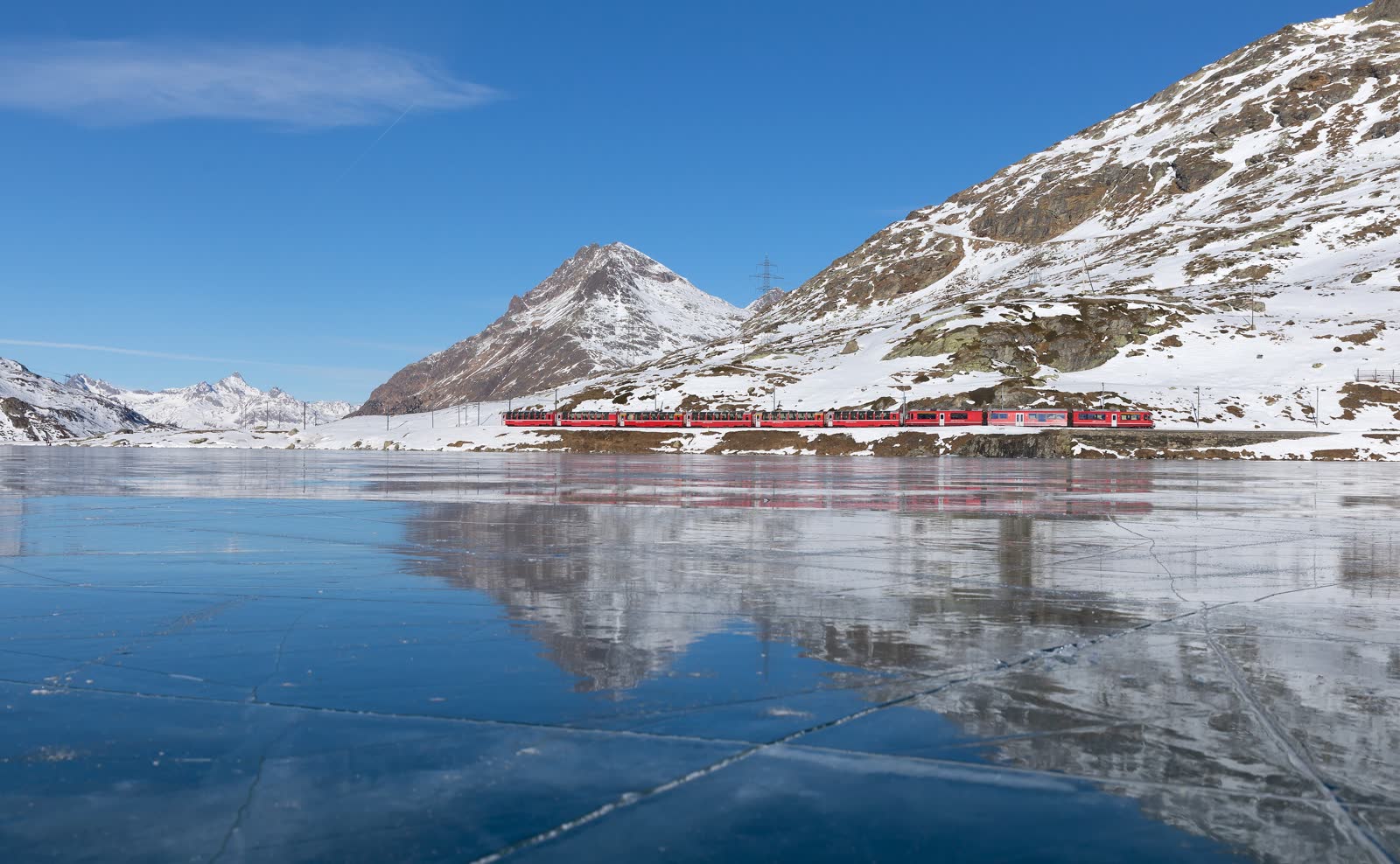
Tap any stop to see what's there, or hit Ride the route and watch the train climb to 2,253 metres on the Bernina and come back down. The line follows the actual track.
The maths, day by day
Let's start with the worst case for separate tickets: buying every leg at full fare, the price you pay if you walk up to the counter on the day. The last column asks the only question that matters: is that day of trains worth more than one day of the pass?
| Day and leg | Tickets | In euros | Worth a pass day? |
|---|---|---|---|
| Day 1 · Turin → Milan → Tirano Regionale Veloce + regional, about 4 h 45 | €12.90 + €13.00 | €25.90 | No |
| Day 2 · Tirano → Chur RhB regional over the Bernina, about 4 h 30 | CHF 66 | ≈ €72 | Yes |
| Day 3 · Chur → Zurich → Bern InterCity, 1 h 15 + 1 h | CHF 42 + CHF 53 | ≈ €104 | Yes |
| Day 4 · Bern → Lausanne → Geneva InterCity along Lake Geneva | CHF 36 + CHF 23.80 | ≈ €65 | Even |
| Day 5 · Geneva → Lyon → Turin TER + Frecciarossa through the Fréjus | CHF 34 + €59 to €84 | ≈ €96–121 | Yes |
| Total with separate full-fare tickets | ≈ €364–389 | ||
Adult 2nd-class prices checked on 14 Nov 2026 at trenitalia.com (for travel on 25 Nov) and sbb.ch. Swiss francs converted at 1 CHF ≈ €1.09. The Lyon–Turin Frecciarossa is dynamically priced: €59 and €84 were the two fares on sale eleven days before departure. Always confirm at checkout.
Three ways to pay for it, and which one wins
With those numbers, there are three ways to pay for the loop. The gap between the dearest and the cheapest is about €50, but the interesting part is what each one gives you in return.
All separate, bought as you go
- You buy each leg on the day
- Zero planning
- You pay the top fare in Switzerland
- Lyon–Turin can climb to €84 or more
4-day pass + day 1 on a ticket
- €283 pass + €25.90 for Italy + €13 reservation
- Hop on any train you like in Switzerland
- Change plans without losing money
- You need to reserve the Frecciarossa home
Separate tickets, bought early
- SBB Supersaver tickets with up to 70% off
- Chur–Zurich from CHF 21.20 instead of 42
- Each ticket is tied to one specific train
- Miss the train and the ticket is gone
Option B: Interrail Global Pass, 4 days in 1 month, adult, €283; with the 5-day pass (€318) and nothing bought separately, the total is €331. Option C: same fares as the table, swapping Chur–Zurich (CHF 21.20) and Zurich–Bern (CHF 30.20) for the Supersaver tickets SBB was selling on 14 Nov for travel on 2 Dec. If you're under 28, option B drops to €251 and wins by a mile.
Why Switzerland changes the whole sum
Look at the table again: of those €364, about €240 goes on Switzerland. Four days of Swiss trains at full fare cost nearly ten times what it takes to cross half of northern Italy on a regional. That's why the pass pays for itself the moment your trip touches Switzerland, and why it makes no sense to burn a pass day getting from Turin to Tirano for €25.90.
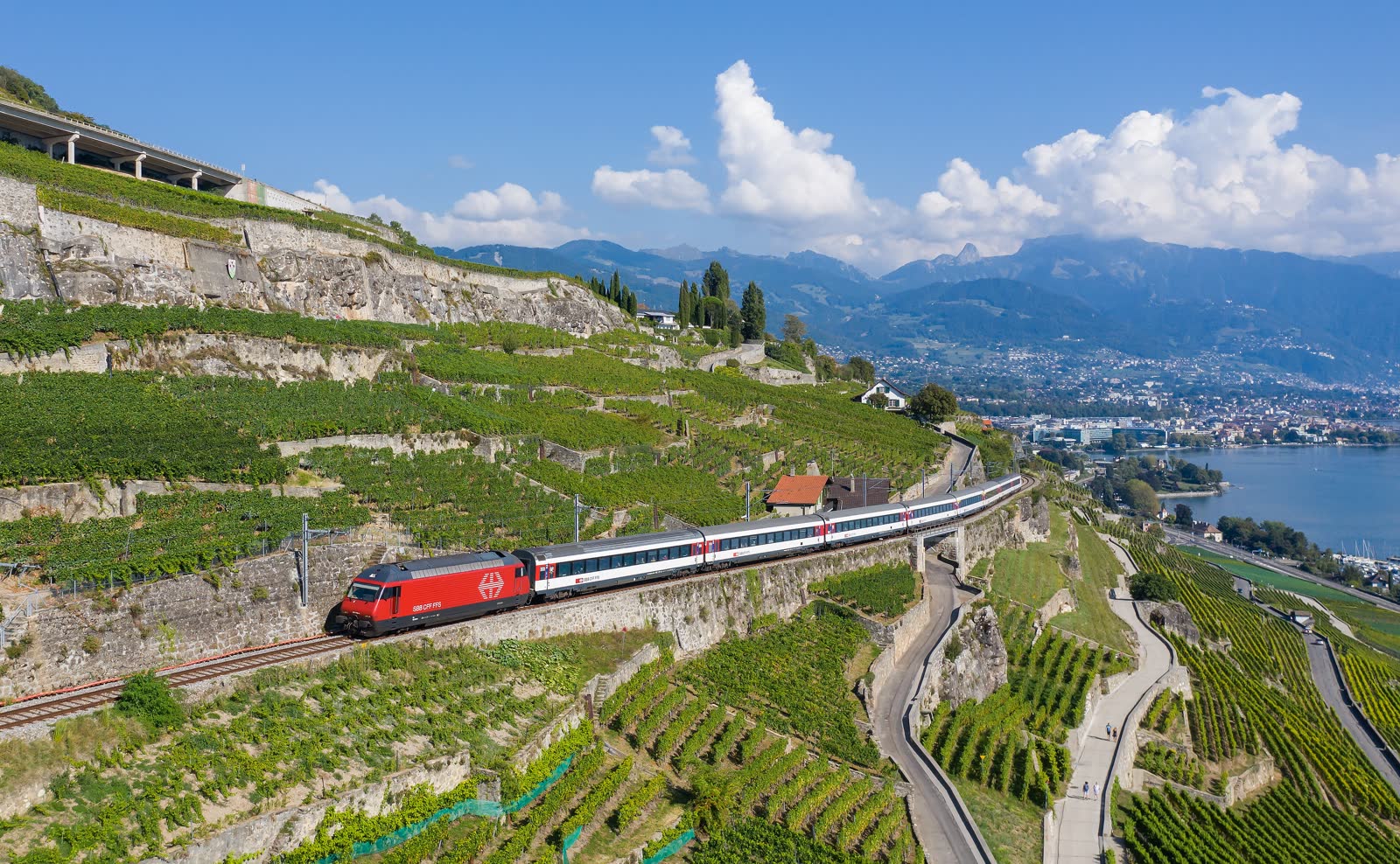
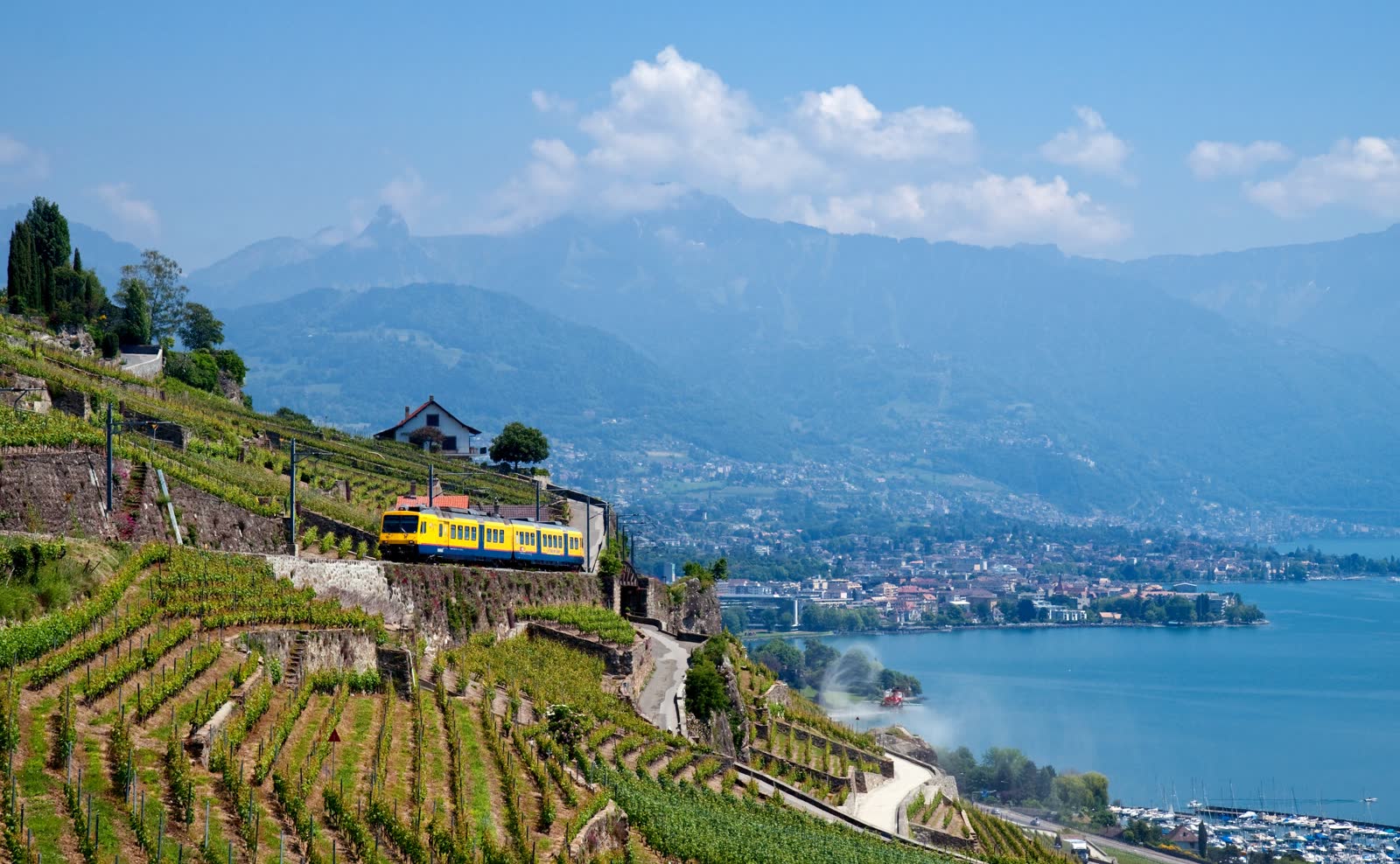
There's another point in the pass's favour in Switzerland: almost no train needs a reservation. You board whichever InterCity you like, get off in Lausanne to look at the Lavaux vineyards, catch the next one. In Italy, France or Spain the fast trains require a paid reservation with limited pass-holder seats, and that's where the pass loses some of its shine.
The travel-day rule
You don't need a spreadsheet. Three steps tell you whether the pass is worth it before you buy anything.
Divide the pass price by its days
A 4-day pass at €283 works out at about €71 per travel day. The 5-day one, €64. The 7-day, €54. That number is your yardstick: what a day of trains has to cost for the pass to break even.
Add up each day's tickets
Go to each country's rail operator and check what that day's trains would cost. If the sum beats the yardstick, that day goes on the pass. If it's far below, like a €13 Italian regional, buy a ticket and save the pass day for an expensive leg.
Add the reservations
The pass doesn't include compulsory reservations. For pass holders, the Frecciarossa costs €13, the TGV between France and Italy €31, and the TGV Lyria between Switzerland and France €25 to €29. If your trip is all high-speed trains, those fees eat the saving.
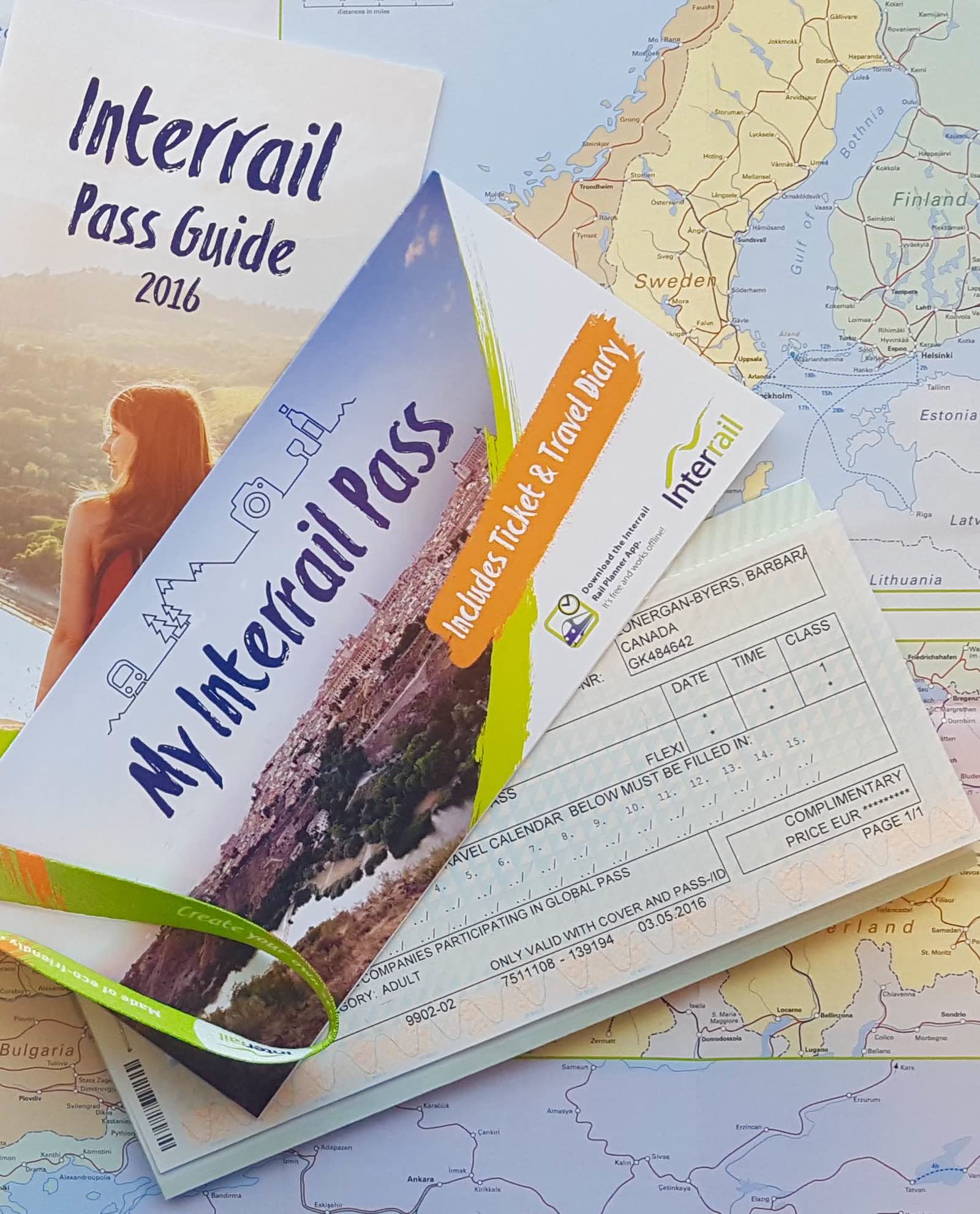
Interrail Global Pass prices (2nd class, 2026)
| Pass | Adult (28–59) | Youth (12–27) | Per day, adult |
|---|---|---|---|
| 4 days in 1 month | 283 € | 212 € | ≈ €71 |
| 5 days in 1 month | 318 € | 239 € | ≈ €64 |
| 7 days in 1 month | 381 € | 286 € | ≈ €54 |
| 10 days in 2 months | 447 € | 335 € | ≈ €45 |
| 15 days in 2 months | 553 € | 415 € | ≈ €37 |
| 15 days in a row | 476 € | 357 € | ≈ €32 |
| 1 month in a row | 696 € | 522 € | ≈ €23 |
Prices published on interrail.com on 14 Nov 2026. Over-60s get a discount too, and children aged 4 to 11 travel free with a Child Pass. The more days on the pass, the cheaper each one gets: on the 10-day pass, almost any day in Switzerland, Germany or Austria already covers it.
Six stops to build the loop around
You can ride the whole thing in five days of trains, but it's far better with a night or two in each city. These are the ones I'd use to break it up.
When the pass pays off, and when it doesn't
Run the numbers on a few different routes and the same pattern keeps showing up. The pass is a tool for certain trips, not for all of them.
The pass wins
- Your trip spends several days in Switzerland, Germany or Austria
- You're under 28: the 4-day pass is €212
- You want to decide which train to take as you go
- You're travelling with kids aged 4 to 11, who ride free
- You're covering long legs on trains without compulsory reservations
Tickets win
- You're mostly in Italy on regionals, which are cheap and fixed-price
- Your dates are firm and you book three weeks or more ahead
- It's only a few legs: two or three trains won't pay for a pass
- Your route is nearly all TGV, AVE or Frecciarossa, with paid reservations
- You're staying in one country: that's a job for the One Country Pass, not the Global
A short pass for the pricey days, a ticket for the cheap ones
For this loop I'd buy the 4-day pass and pay separately for day one, Turin to Tirano. That's €322 all in, with the freedom to board any train in Switzerland and no timetable to be tied to. The gap to the cheapest option is six euros, and in exchange I lose nothing if I decide to stay an extra night in Chur.
If you're under 28, don't even think about it: with the youth pass the same trip drops to €251. And if you're the type who locks in every date and time a month out, SBB's Supersaver tickets can bring the loop down to about €316, knowing each ticket is good for one train only.
One tip if you're not in a hurry: Interrail usually runs an end-of-year sale (in 2025 it was 25% off, from late November to mid-December). As of 14 November 2026 nothing has been announced, but if your trip is for spring, it's worth waiting a couple of weeks before you buy.
Six things worth knowing
Strike in Italy. A national rail strike has been called from 21:00 on Friday 20 to 20:00 on Saturday 21 November 2026, on top of a general strike on the 20th. Frecce, Intercity and regional trains may be cancelled: check the guaranteed services on trenitalia.com before you set off.
Swiss fares go up on 13 December. With the European timetable change, Swiss national fares rise by 3.6% on average. The prices in this post hold until 12 December 2026; after that, the sums tilt a little further towards the pass.
Lyon–Turin. The line through Modane was closed for works from 12 September to 9 October 2026 and has reopened. Work on the corridor continues: check your train is running before you plan the last day.
Official links to run your own numbers
Photo and map credits
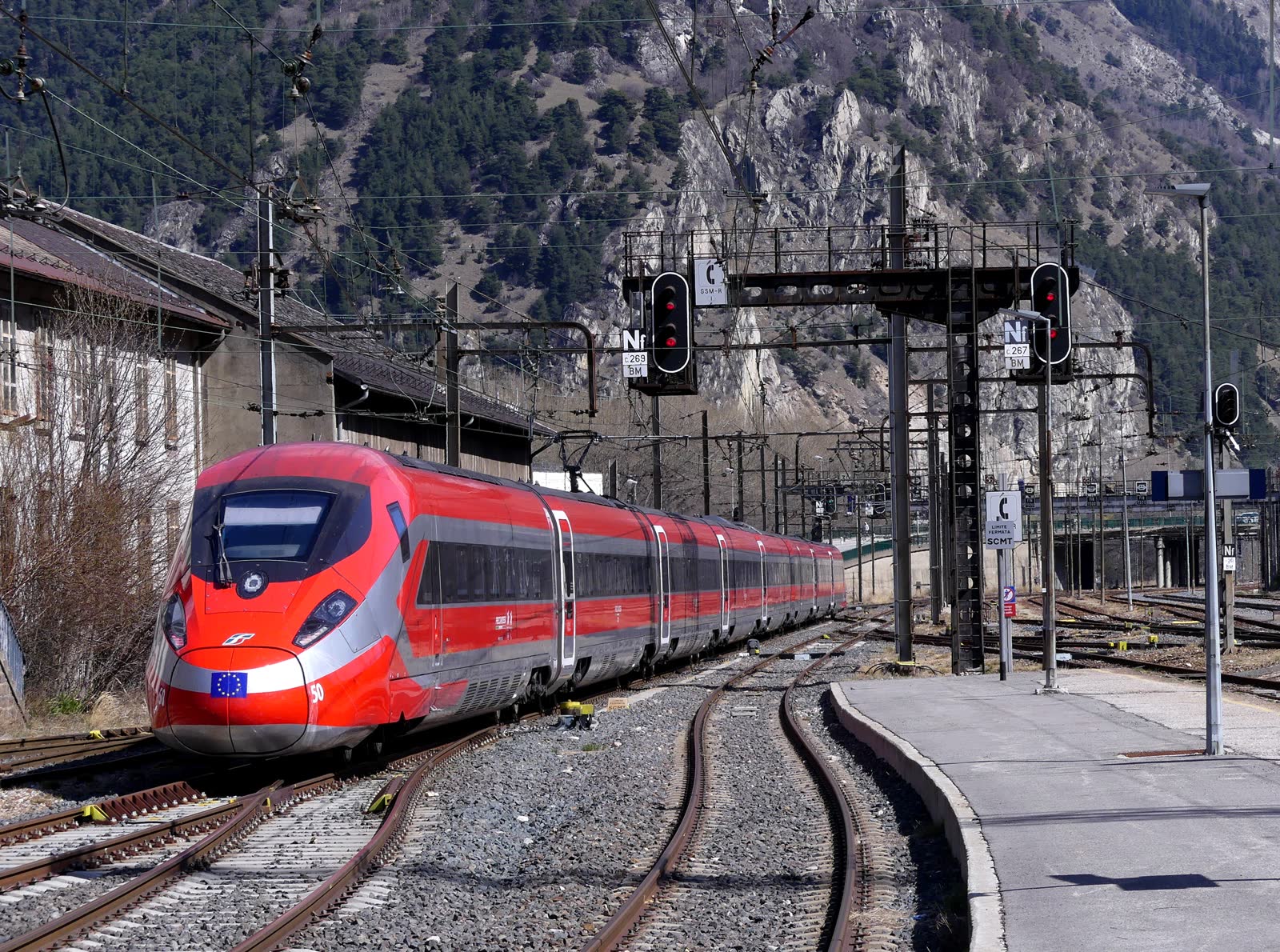
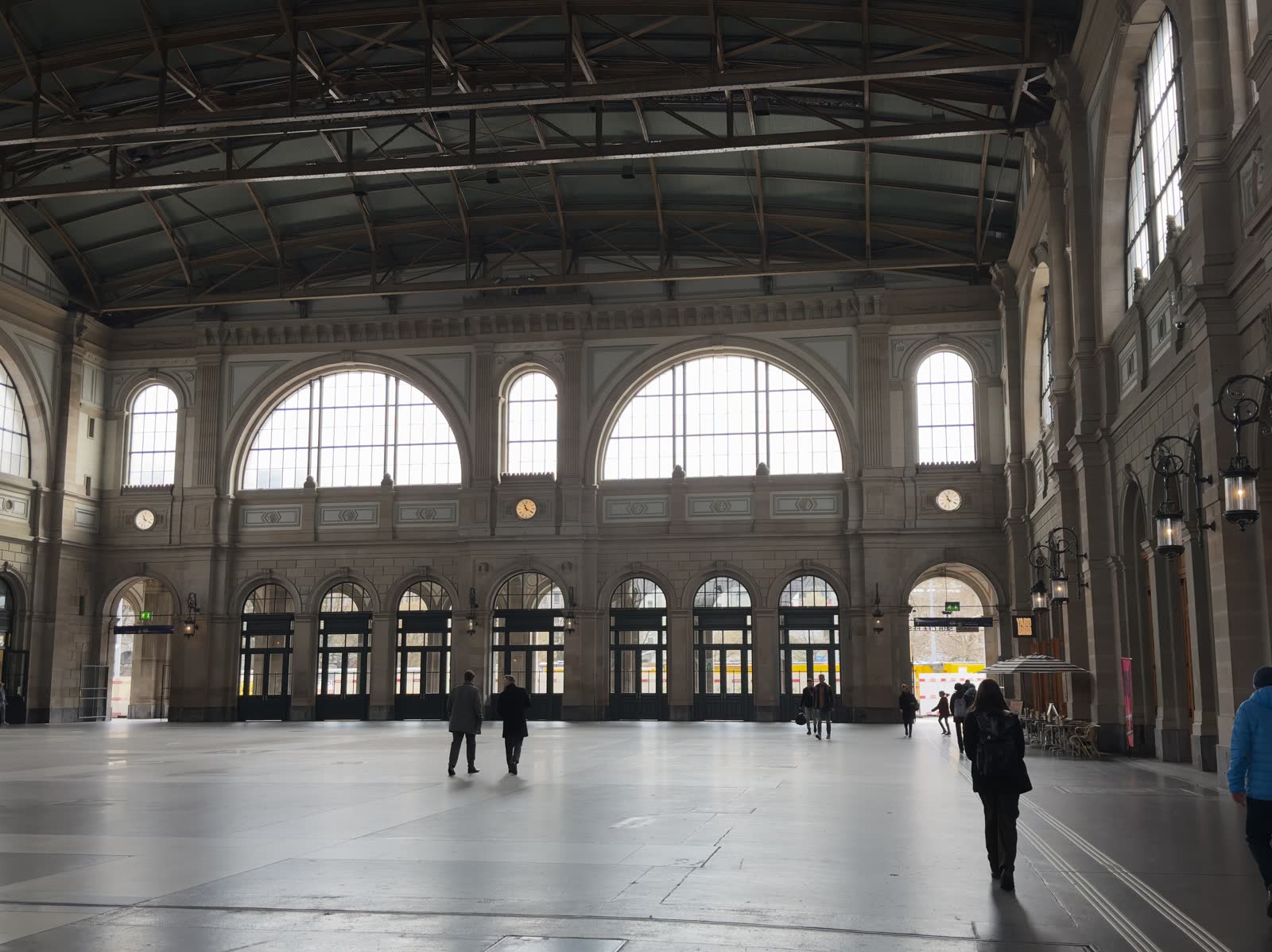
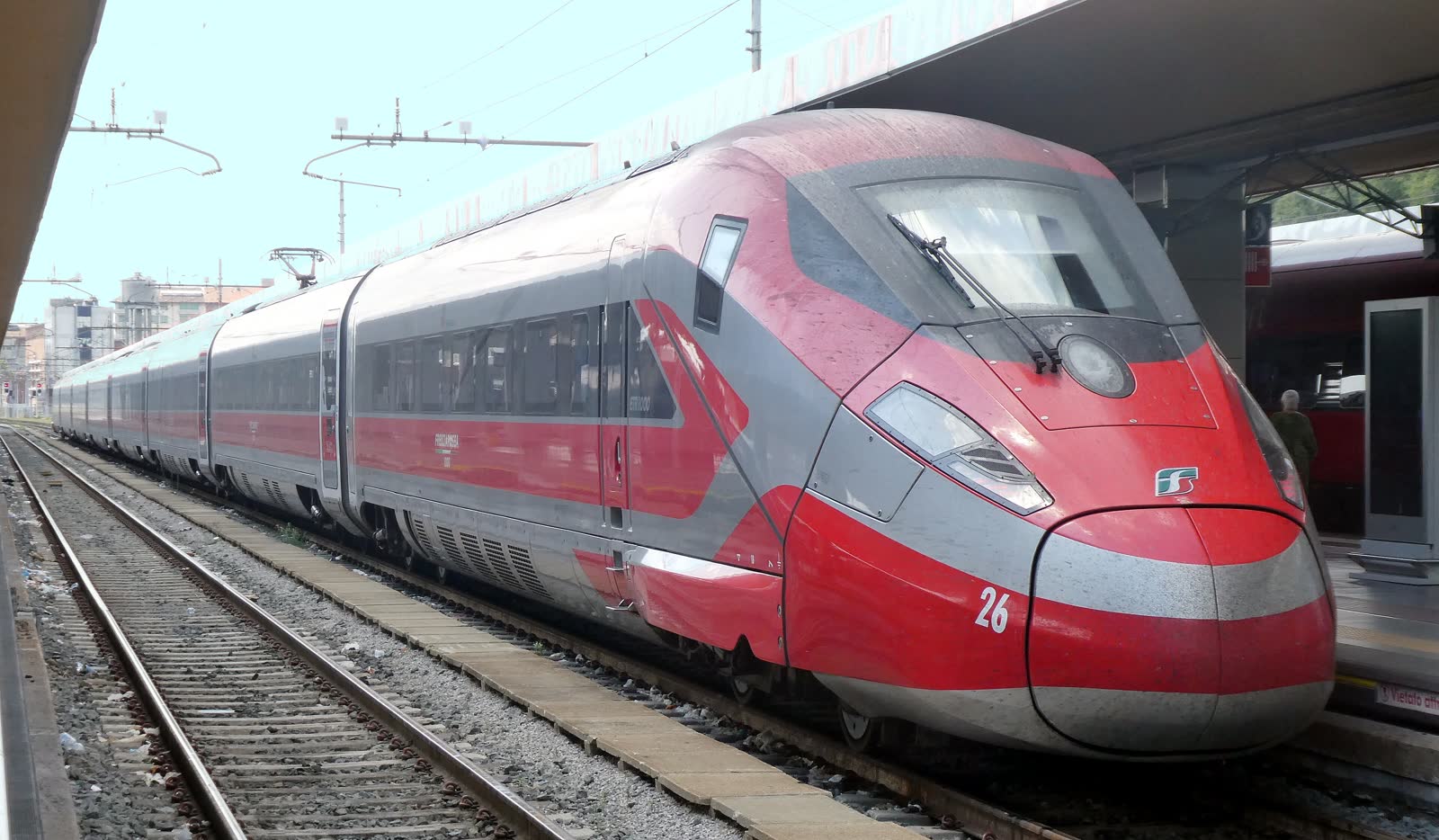
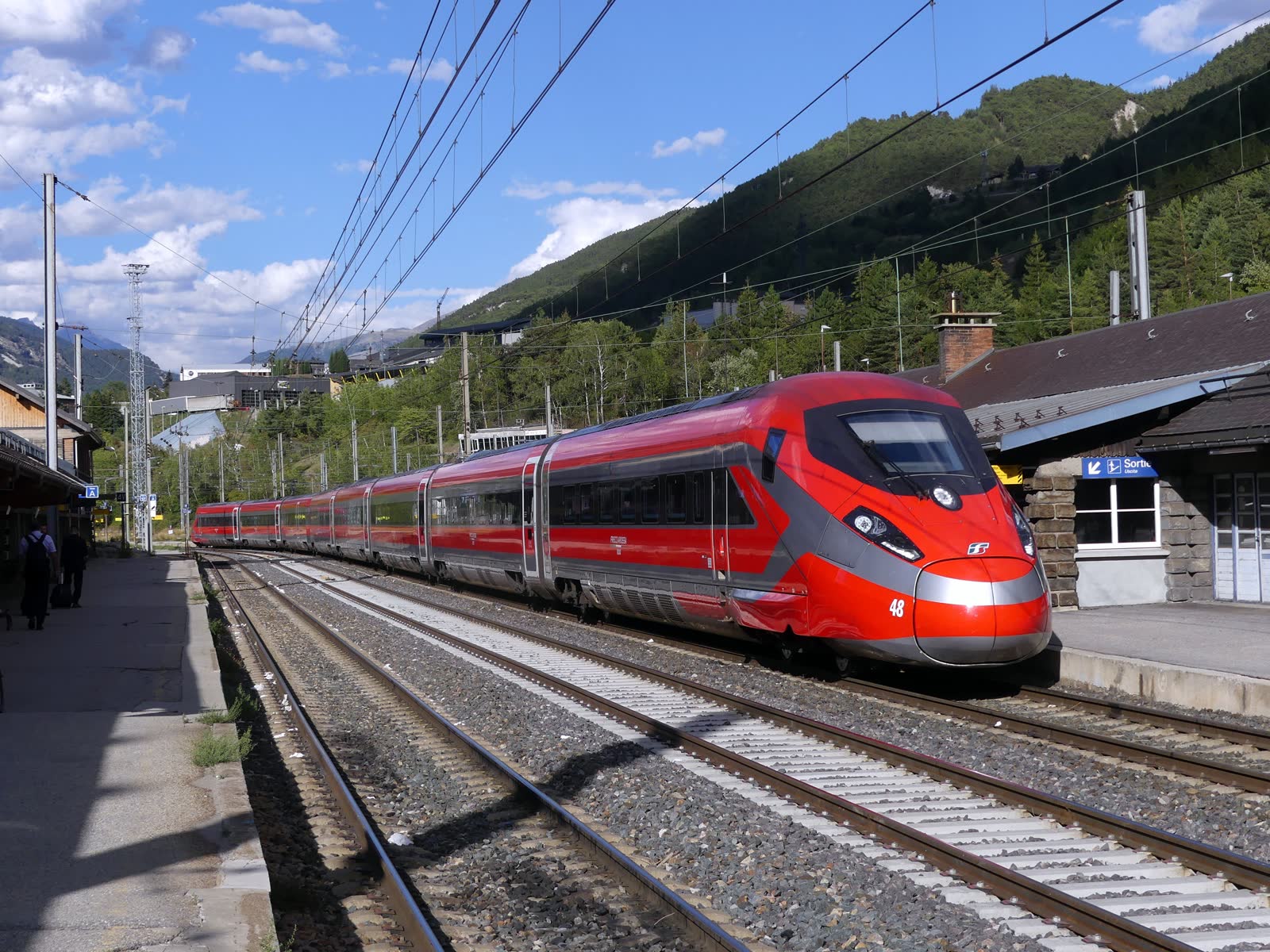
Photos via Wikimedia Commons: Frecciarossa at Modane (cover and gallery) — Florian Pépellin (CC BY-SA 4.0); trains in Lavaux and the Bernina line at Lago Bianco — Kabelleger / David Gubler (CC BY-SA 3.0 and 4.0); Interrail pass — MSc Utrecht (CC BY-SA 4.0); Zurich main station — Mike is Michi (CC BY-SA 4.0); Frecciarossa at Turin Porta Nuova — Renardo la vulpo (CC BY-SA 4.0); Milano Centrale — Giovanni Dall'Orto (attribution); Tirano — Maurizio Moro5153 (CC BY-SA 4.0); Chur — JoachimKohler-HB (CC BY-SA 4.0); Geneva Cornavin — Marc Mongenet (CC BY-SA 4.0); Lyon Part-Dieu — TCY (CC BY-SA 4.0). Track geometry: © OpenStreetMap contributors (ODbL) via BRouter. Base maps: © OpenStreetMap, © Esri, © OpenTopoMap (CC BY-SA), Esri World Imagery. Prices: interrail.com, sbb.ch and trenitalia.com, checked on 14 November 2026.